Loading video...

Video Failed to Load

Go Home

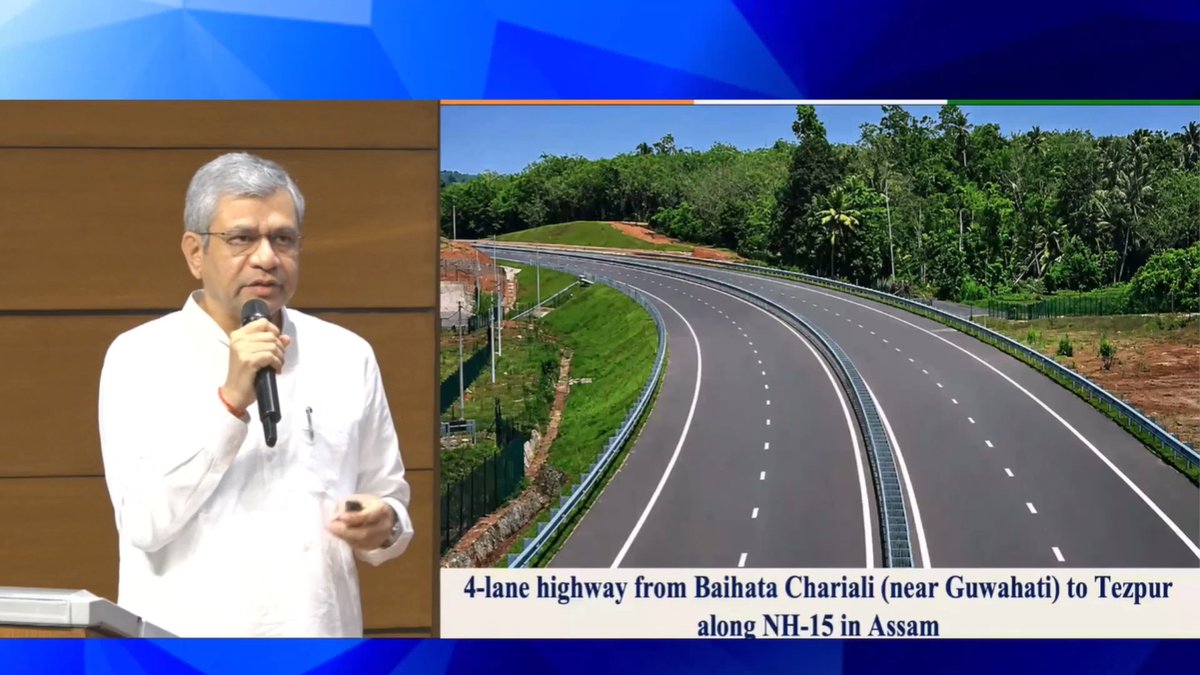
🚨 J.P. Ganga Path Samagra Udhyan Project If BSRDCL delivers this project anywhere close to the quality shown in the renders, it could be a game changer. Agency: M/s Ram Kripal Singh Construction Project Cost: ₹387.4 crore (Phase 1) Total Area: 175.1 hectares

13,064 views • 8 days ago •via X (Twitter)

0 Comments

No comments available

Comments from the original post will appear here

Related Videos

THINKING OUTSIDE THE BOX | How to solve Kerala’s train travel problem once and for all with ₹150 crore? 🧵 In 2012, the Oomen Chandy government came up with a plan to build a high-speed rail corridor from Mangalore to Trivandrum. The estimated cost was around ₹1.18 lakh crore. It was planned to be funded through a Japanese loan from JICA. The project was opposed by the then opposition parties. The project was eventually dropped. In 2020, the present Left government under Pinarayi Vijayan brought back the high-speed rail project, named SilverLine, with a cost estimate of ₹64,000 crore. These numbers were rejected by NITI Aayog, which estimated the cost at around ₹1.2 lakh crore. There were strong public protests against forceful land acquisition, and the project was dropped by the government in 2022. We also strongly opposed it, as our estimate was that the final cost would easily cross ₹1.5 lakh crore, ticket prices would go up to around ₹6,000 to make it viable, and there would not be enough ridership. Now it is BJP’s turn. They opposed both earlier projects and have now come up with a new proposal using DMRC’s former chairman, Padma Vibhushan Dr. E. Sreedharan, who later joined BJP. This high-speed rail proposal, unlike SilverLine, is 90% elevated and ends at Kannur instead of Kasargod or Mangalore. The estimated cost is around ₹200 crore per kilometre, with an overall cost of more than ₹80,000 crore. Fair enough. However, the estimate of ₹200 crore per kilometre looks like an underestimate when we look at the Mumbai–Ahmedabad bullet train. That project started with a cost of ₹216 crore per kilometre and has now reached ₹393 crore per kilometre, even though it is only half completed. By the time it is finished, the cost could touch ₹500 crore per kilometre, if not more. Leaving these big and fancy projects aside, let us come back to the core problem and look at it differently. Take a close look at this video. This shows the weekly train schedule from Kannur towards the south. If you observe carefully, the green-coloured trains are those that run within Kerala, while the red ones are outstation trains that either terminate at stations in Kerala or pass through the state. What does this tell us? (1/8)

Congress Kerala

41,136 views • 6 months ago