ๆญฃๅœจๅŠ ่ฝฝ่ง†้ข‘...

่ง†้ข‘ๅŠ ่ฝฝๅคฑ่ดฅ

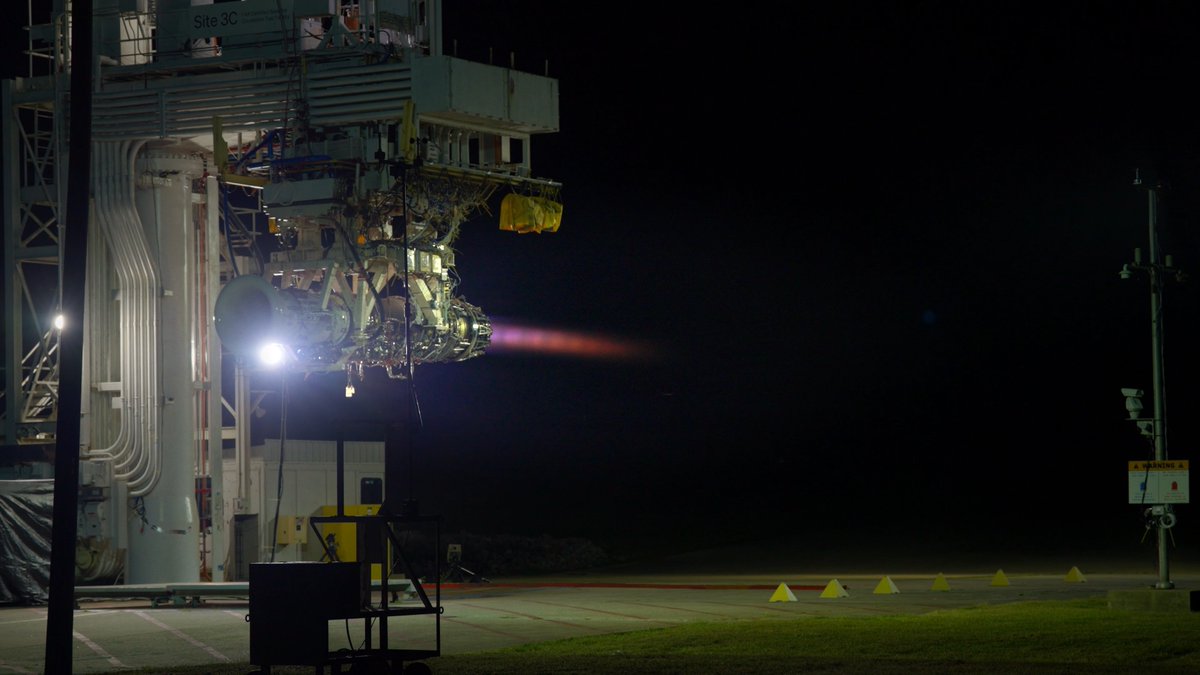
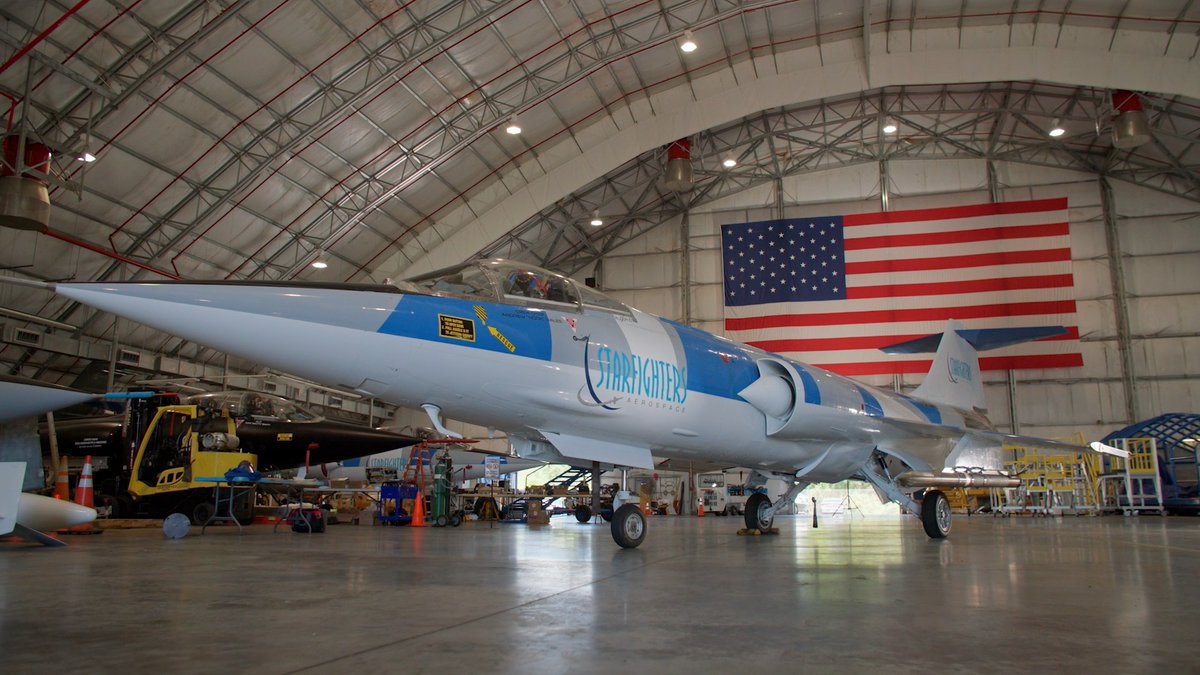
NEWS ๐Ÿ“ฐ GE Aerospace and Shield AI have successfully completed integration, actuation, and engine light-off testing of the advanced Axisymmetric Vectoring Exhaust Nozzle (AVEN) for Shield AIโ€™s X-BAT aircraft, a critical milestone in the program's path to vertical flight. Engineers from both companies modified and integrated the AVEN into...

37,773 ๆฌก่ง‚็œ‹ โ€ข 4 ๅคฉๅ‰ โ€ขvia X (Twitter)

0 ๆก่ฏ„่ฎบ

ๆš‚ๆ— ่ฏ„่ฎบ

ๅŽŸๅง‹ๅธ–ๅญ็š„่ฏ„่ฎบๅฐ†ๆ˜พ็คบๅœจ่ฟ™้‡Œ

็›ธๅ…ณ่ง†้ข‘

Canada's first orbital-class rocket engine is now being manufactured! Our patent pending Hadfield-150 engine is the largest and most powerful rocket engine ever built in Canada, and the first known Canadian orbital-class engine to make it to this stage. The Hadfield-150 builds on everything we learned after years of painstakingly designing, manufacturing, and testing the Hadfield-10 series, our first regeneratively cooled and additively manufactured liquid rocket engine. Every engine test, both successful and unsuccessful on our Darkhorse test stand at Area 66, retired risk that's now carried straight into Hadfield-150 and sovereign orbital launch for Canada. A few details about the Hadfield-150 engine series: โœ… Designed to power Tundra and Tundra+, our light and medium-lift launch vehicles, and built to scale to Tempest, our larger reusable medium lift vehicle โœ… Manufactured entirely in-house, from design to print to test, for true sovereign launch capability โœ… Produced at Rocket Factory 1, on our expanding fleet of metal additive manufacturing systems at the AMA Lab, including the largest known metal 3D printer in Canada โœ… Designed for reusability and medium-lift scale from the outset, and built to significantly cut the time, infrastructure, manufacturing and cost iterative engine testing usually requires, with room to scale to even larger engines by leveraging the same design โœ… Capable of engine-out functionality, so losing one on an early flight doesn't have to mean losing the mission โœ… Optimized for Canada's Launch the North initiative, to deliver sovereign operational capability in a time and cost efficient manner Initial testing starts later this year at our new Blackhawk orbital engine test cell at Area 66, our private test range in Ontario. Stacked, integrated vehicle testing comes later at the Atlantic Spaceport Complex, our spaceport in Newfoundland and Labrador. Stay tuned for some exciting and fiery milestones ahead! ๐Ÿš€๐Ÿ‡จ๐Ÿ‡ฆ National Defence Defence Research and Development Canada Canadian Space Agency Transport Canada NGen Canada

NordSpace ๐Ÿ‡จ๐Ÿ‡ฆ

26,446 ๆฌก่ง‚็œ‹ โ€ข 25 ๅคฉๅ‰

Following the Delta A330-323(N813NW) engine failure after departure from Sรฃo Paulo (GRU), many are asking: what actually happens if an airliner loses an engine just after takeoff? As passenger in the cabin watching this scenario unfold, the panic is understandable. Seeing flames from an engine is alarming. But this is exactly the kind of scenario pilots are trained for repeatedly in simulators. Modern multi-engine aircraft are designed to fly safely on one engine. In fact, losing one engine is a certification requirement during testing. Hereโ€™s what happens: At liftoff, pilots target V2 speedโ€”the minimum safe speed that guarantees the aircraft can continue climbing even with one engine inoperative. If an engine fails: โ€ข The MASTER FIRE warning light will illuminate in the cockpit and the fire warning bell will sound, alerting the pilots on the affected engine (they will close the fuel, hydraulic shutoff, and engine bleed air valves, and also discharge the related fire bottle to extinguish the engine fire). Of course, they will be careful NOT TO shut down the wrong engine (this has happened before). โ€ข Maximum thrust is applied on the remaining engine. โ€ข Rudder input keeps the aircraft straight (countering asymmetric thrust) โ€ข The aircraft climbs straight ahead for best performance (turns reduce climb rate unless required) Once above a safe altitude (typically ~1,500 ft / Minimum Flap Retraction Altitude(MFRA): โ€ข The aircraft accelerates โ€ข Flaps are retracted (โ€œcleaning upโ€) โ€ข Crew assesses the situation and plans a return or diversion Even at very low altitude, the aircraft remains controllable by design. It may not climb aggressively, but it will climb. Bottom line: What looks catastrophic from the cabin is a scenario pilots are highly trained to handleโ€”and aircraft are engineered to withstand. Hope this helps any nervous flyer. Flying is safe, and the chances of this happening have reduced due to lessons learned from previous incidents. And if you ever find yourself in this situation, trust that the pilots will act according to their trainingโ€”because thatโ€™s their job.

Turbine Traveller

42,927 ๆฌก่ง‚็œ‹ โ€ข 4 ไธชๆœˆๅ‰

Last week, we pushed our Hadfield MK IV engine and Darkhorse engine test cell to their limits ahead of our upcoming thrust vector control (TVC) and orbital engine test campaigns. It was thrilling to see this controlled test go sideways โ€” literally! Orbital launch vehicles operate within narrow design margins and constrained safety factors, where excess mass in any subsystem directly impacts payload capacity or mission viability. Destructive and limit testing enable us to validate optimal mass-performance trade-offs across propulsion, pressure systems, and primary structures. Key outcomes from this test include: โœ… Structural margins validated โ€“ Darkhorse demonstrated stable operation under full thrust loads at gimbal angles exceeding design specifications โœ… Thermal performance characterized โ€“ Extended burn duration at off-nominal mixture ratios provided empirical data on regenerative cooling degradation modes and injector thermal limits โœ… Fault tolerance demonstrated โ€“ Engine maintained functionality despite progressive damage, validating robustness for anomalous flight conditions โœ… TVC readiness confirmed โ€“ Test results validate system integration for upcoming actuated TVC test series l Design optimization insights โ€“ Failure mode analysis generated actionable improvements for cooling architecture, injector design, thrust structures, and engine reusability At NordSpace, we push limits. Canada needs to get to orbit with sovereign light-lift launch by 2028 and medium-lift launch by the early 2030s. The only way this is possible is through extreme levels of testing, manufacturing, and investment. Our mission to build a Canadian end-to-end space missions capability will change the shape of our nation both on Earth and in space. If you would like to join our mission, please apply for a role at NordSpace via the Careers page on our website, and join us at the Canadian Space Launch Conference on May 5th, in Ottawa. National Defence Defence Research and Development Canada NSERC / CRSNG Canadian Space Agency Transport Canada

NordSpace ๐Ÿ‡จ๐Ÿ‡ฆ

11,704 ๆฌก่ง‚็œ‹ โ€ข 5 ไธชๆœˆๅ‰