正在加载视频...

视频加载失败

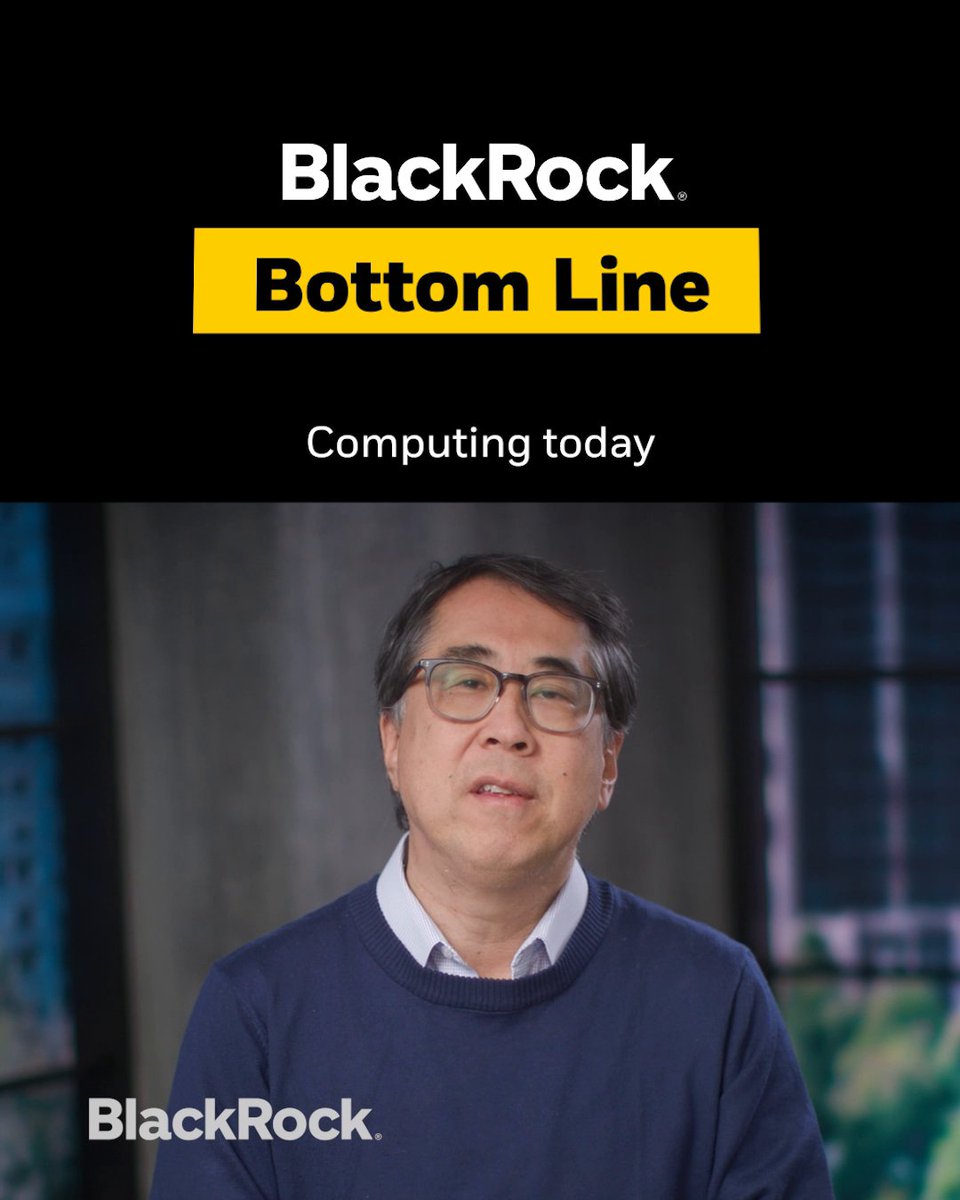
Quantum computing is no longer a science experiment. The machines being built could one day break the encryption protecting your bank account, your data, and systems that run entire countries. We spoke with IonQ COO & CFO Inder Singh about the technology and how the industry is preparing the...

15,552 次观看 • 6 天前 •via X (Twitter)

0 条评论

暂无评论

原始帖子的评论将显示在这里

相关视频

First Principles Ep. 6 with Ron Rivest Long before the internet became a place to bank, transact, or build blockchains, Turing Award winner Ron Rivest helped solve a foundational problem: how can strangers communicate securely without first meeting to exchange a secret? Rivest tells the story of inventing RSA with Adi Shamir and Leonard Adleman, why digital signatures fascinated him even more than encryption, and how cryptographic hashes, government pressure, patents, and standards shaped the security infrastructure we rely on today. Rivest shares his unusually candid views on quantum computing, post-quantum security, and more. Hosted by Tim Roughgarden with Dan Boneh. 00:00 Intro: the two problems that could break modern cryptography 01:10 Why Ron Rivest’s work underpins the internet and blockchains 08:10 Before public-key cryptography, there was no theory of security 11:05 The open problem that led to RSA 13:55 The night Ron Rivest discovered the core idea behind RSA 17:55 Why digital signatures were the real breakthrough 19:14 The RSA challenge — and a prediction that was off by quadrillions of years 28:33 How government pressure shaped cryptographic standards 30:36 Designing the hash functions that made digital signatures practical 33:26 The Fiat–Shamir transformation, explained 38:04 Building a cryptography company before the web existed 42:31 Will quantum computers ever become powerful enough to break RSA? 48:02 The cryptography securing the internet, elections, and everyday life 50:11 What surprised Dan: Quantum giveth and quantum taketh away

a16z crypto

62,339 次观看 • 17 天前

🚨HARSH TRUTH: AI WILL TAKE YOUR JOB!!! And Elon Musk thinks that might actually be a good thing. Sounds crazy at first. But his logic is simple. Most people don’t work because they love their job. They work because they have to. Rent. Food. Bills. That’s the deal. Your job was never really your dream. It was the price of survival. Elon believes AI and robots could eventually break that deal. And he’s not just talking about it. He’s actively building the technology that could make it happen. Tesla is building Optimus, a humanoid robot designed to do physical labor. Tesla’s AI is being trained to automate more and more real world tasks. Starlink is bringing internet to places that never had access before. And SpaceX is pushing the cost of launching things into space lower than ever. All of this points to one direction. A world where machines produce far more than humans ever could. If machines produce almost everything, the cost of producing things collapses. And when production becomes incredibly cheap, the cost of living drops with it. Elon compares the future of money to air. Nobody checks their bank account to see if they still have air. It’s just there. One day, he believes money could feel the same way. He calls it Universal High Income. Not just survival payments. A world where the basics of life become abundant. Food. Housing. Healthcare. But Elon isn’t celebrating this future. He’s worried about something else. Because once machines can do everything better than humans, money stops being the biggest problem. The real problem becomes meaning. For most people, work is where their sense of value comes from. Their role. Their identity. Their reason to feel useful. Take that away and a lot of people won’t know who they are. As Elon once said: “If the computer can do everything better than you, does your life have meaning?” AI might solve the money problem. But it could create the biggest meaning crisis in human history.

Evan Luthra

23,003 次观看 • 4 个月前