正在加载视频...

视频加载失败

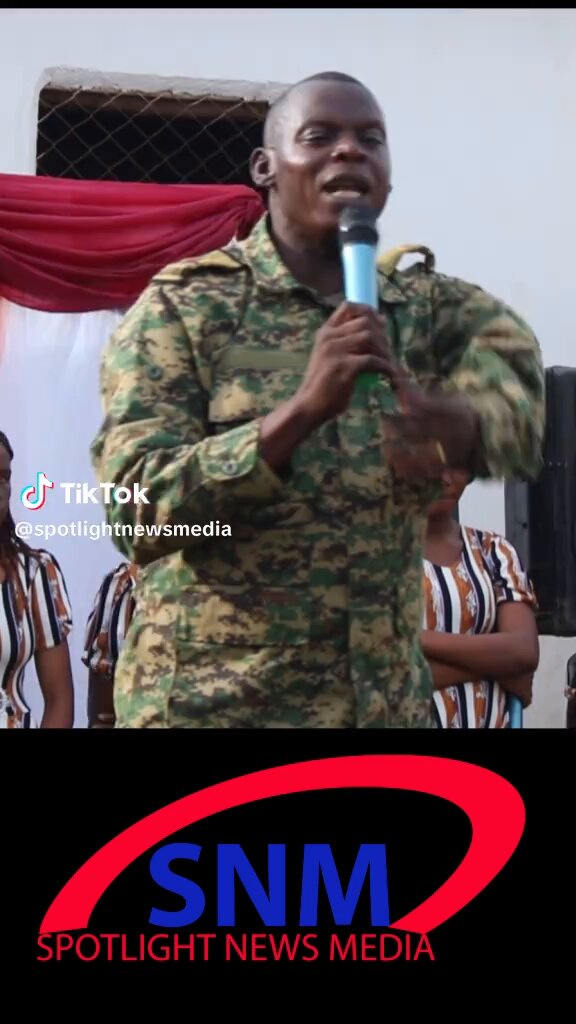
📌🚨Tambuza video eno. Uganda Peoples' Defence Forces (UPDF) why are u using numberless car to trail BOBI WINE whenever he goes? This video clip was captured yesterday on National Unity Platform campaign . Uganda Police Force we need answers why security operatives using numberless cars especially when they trialling him?

57,982 次观看 • 9 个月前 •via X (Twitter)

0 条评论

暂无评论

原始帖子的评论将显示在这里

相关视频

1994. Parliament Lobby. Kampala. The Constituent Assembly was debating the shape of a new Uganda when a young army captain, Noble Mayombo, rose to move a motion. It was a small thing, on paper: Change the name of the national army. But Mayombo understood that names carry power. The Name and the Man: Mayombo's Motion for the UPDF - 1994 "This is no longer the army of a resistance," he told his fellow delegates. "It must be the defence force of a people." The motion was simple in phrasing but profound in meaning: That the National Resistance Army, born of the bush war, be renamed the Uganda People's Defence Forces. Mayombo reminded the Assembly that while the NRA had fought valiantly, it belonged to a chapter of struggle. A constitution, he argued, must speak for all citizens, not for a movement. The army's name had to project neutrality, professionalism, and national ownership. Mayombo's words carried weight beyond his years. He had fought in the bush, but he understood that the new constitution was meant to bury the divisions of the past and build a common future. By proposing the name change, he was not merely editing a document; He was redefining the relationship between the soldier and the citizen. The word "People's" was not cosmetic but constitutional, a signal that the guns were now bound by law, accountable to Ugandans rather than to a party. Outside the chamber, in the Parliament lobby, seasoned journalist Bart Kakooza intercepted Mayombo for an interview. Standing tall, the young captain repeated the essence of his argument into Kakooza's microphone. Through radio and newspapers, his vision reached far beyond Kampala. For many Ugandans, that was the first time they heard the phrase Uganda People's Defence Forces. It carried a freshness that suggested rebirth, a shift from partisan struggle to shared nationhood. When the Assembly finally voted and Article 208 enshrined the UPDF in the 1995 Constitution, the moment was sealed. The NRA passed into history, and the UPDF was born in law. For Noble Mayombo, it was more than a legal victory; it was his signature contribution to the republic. The image endures: A young man in Parliament, moving a motion with conviction, then stepping into the lobby to explain to a journalist, and to the nation, why Uganda's army must belong to the people. Mayombo's motion ensured that the army would no longer be the instrument of a movement, but the shield of a nation. It was not just semantics. It was a declaration that Uganda had moved from revolution to constitution, from the bullet to the ballot. The name change may have been a small clause in a long document, but it was the mark of a mind that understood that the words you choose determine the nation you build. What does it take to stand up in an assembly of elders and veterans and suggest that the revolution's army should be renamed for the people it serves? Noble Mayombo was a young captain when he moved that motion. He understood that constitutions are not just about power, they are about identity, and the names we give our institutions define the country we become. The NRA won the war. The UPDF was built to keep the peace. #UPDF #NRA #Ughistory NRM Party Uganda Peoples' Defence Forces (UPDF) Government of Uganda Bart Kakooza Uganda Media Centre

UgHistory

12,886 次观看 • 1 个月前