Video yükleniyor...
Video Yüklenemedi
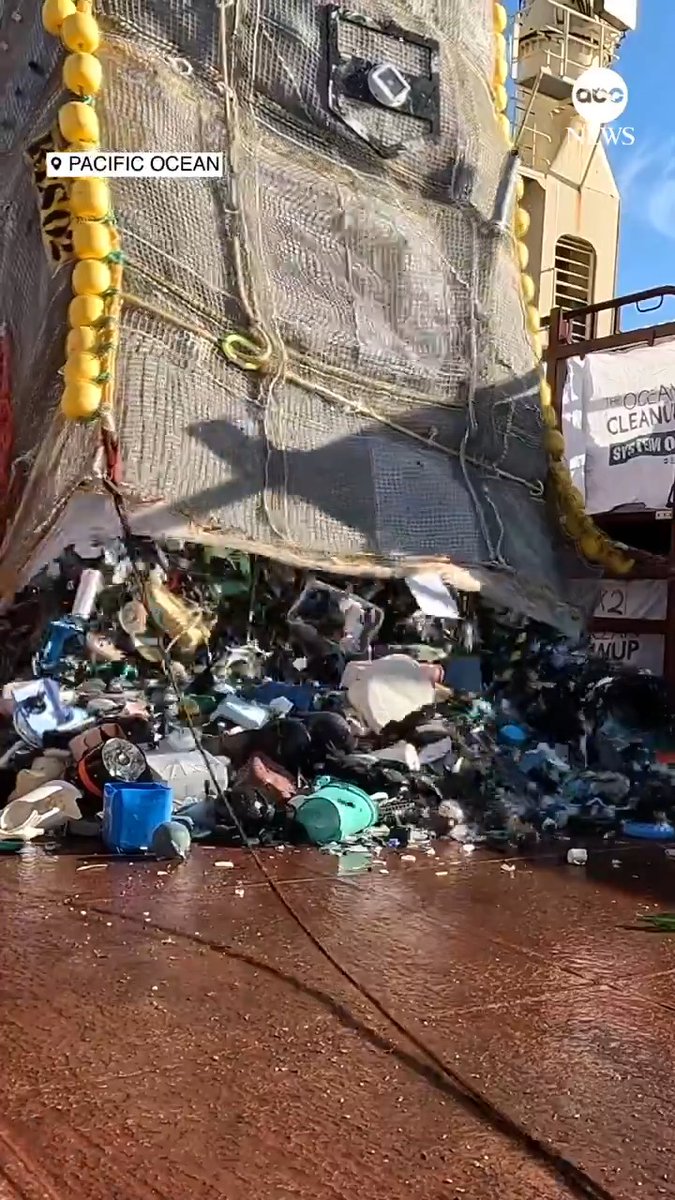
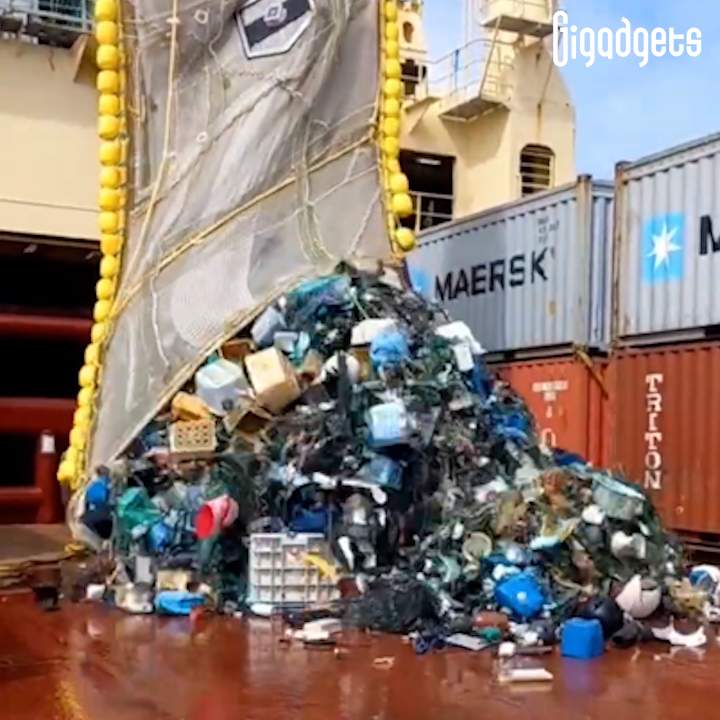
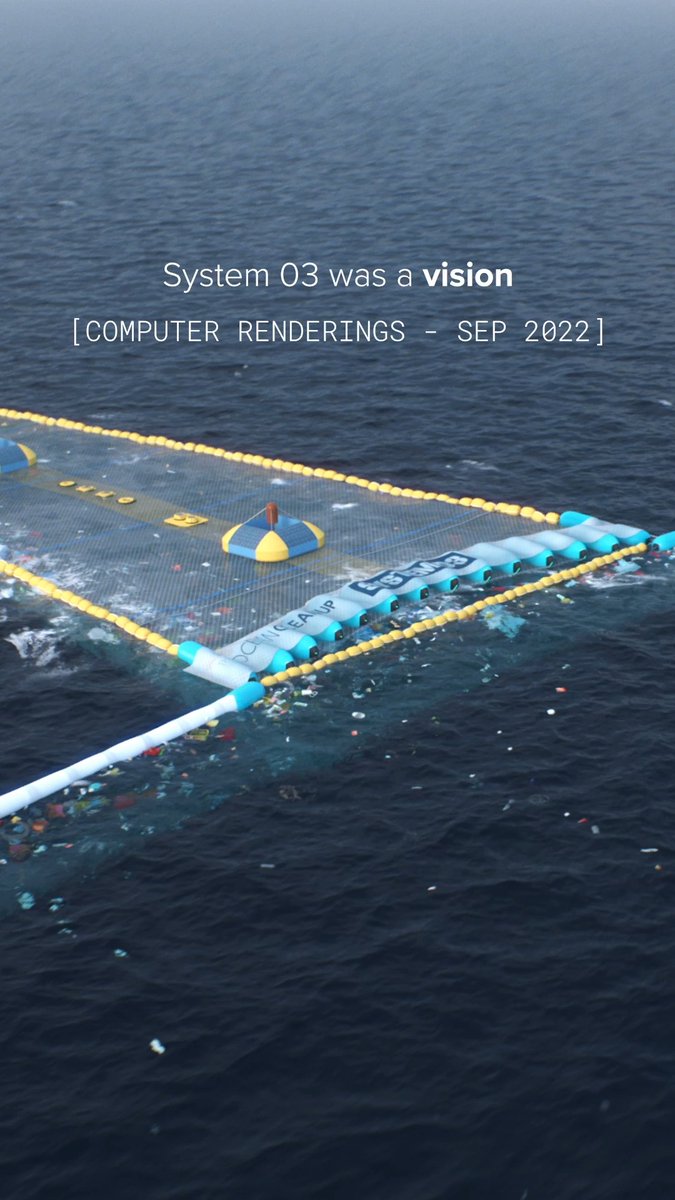
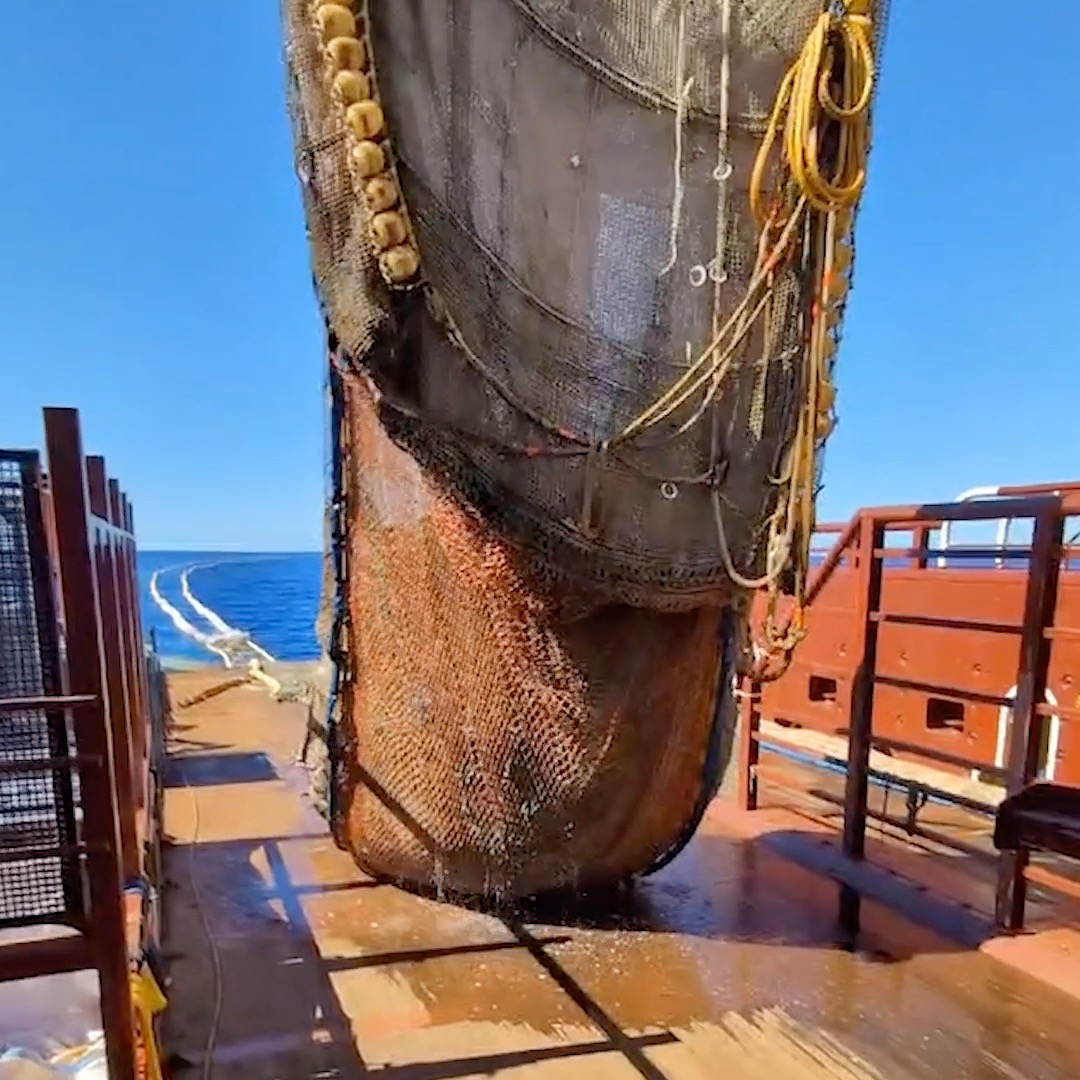
The Ocean Cleanup has deployed U-shaped systems in the Pacific that passively collect plastic using ocean currents. Their Interceptor 007 is on pace to extract thousands of tons of waste. To date, they’ve removed over 8M Kgs of plastic from the ocean and rivers.

23,478 görüntüleme • 1 yıl önce •via X (Twitter)
12 Yorum

No one talks about the garbage island in the Pacific. But it’s larger than France, Germany, and Spain combined. And it’s leaking toxic chemicals into the fish you eat. Here’s what you were never told about the Great Pacific Garbage Patch:
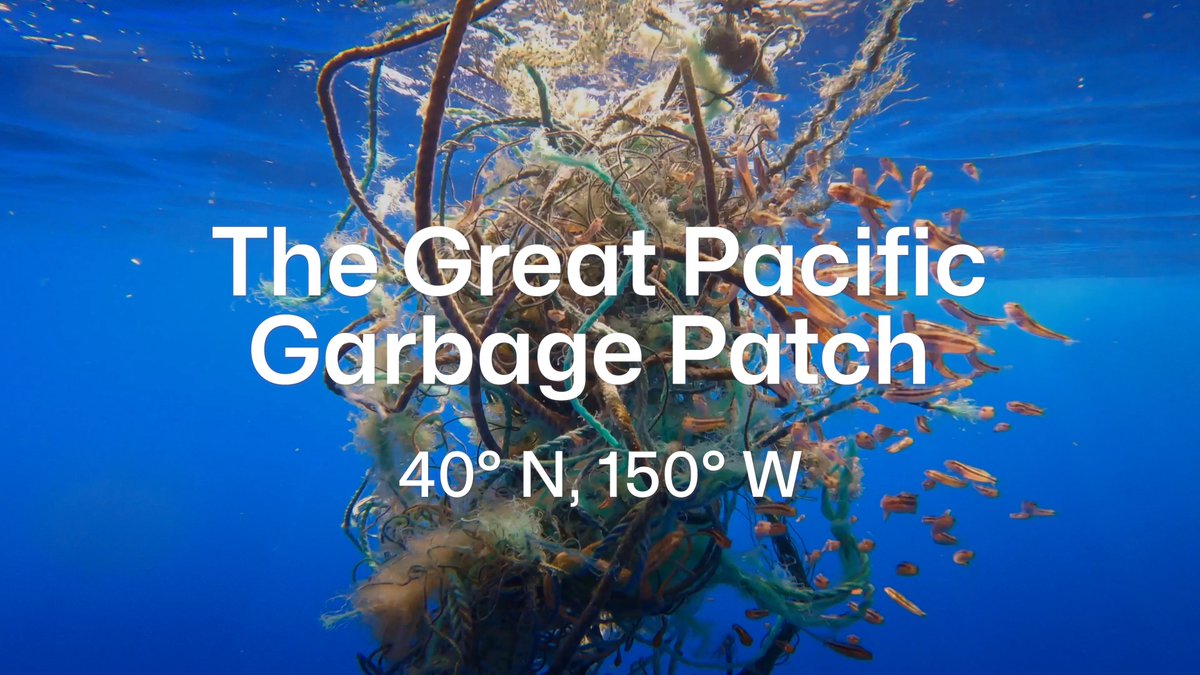
The Great Pacific Garbage Patch isn’t an island of trash. It’s a massive accumulation of plastic and debris trapped by ocean currents in the North Pacific Gyre. Estimated size: - 1.6 million square kilometers - 100 million kilograms of waste Plastic that is decades old.
How did this happen? It starts on land. Every year, over 11M metric tons of plastic enter the ocean. Rivers, wind, and storms carry waste into the sea, where ocean currents trap it in rotating systems called gyres. The North Pacific Gyre is the largest and most polluted.
Over time, large debris like fishing nets and bottles break down into microplastics. These tiny particles: • Enter the food chain • Kill marine life • Leach toxic chemicals into the ocean • Travel up to our own drinking water and food It’s an invisible but deadly threat.
So what’s being done about it? In 2013, a non-profit called The Ocean Cleanup launched one of the most ambitious environmental efforts in history. Their goal: Remove 90% of floating ocean plastic by 2040. And their progress is real.
80% of ocean plastic enters through rivers—especially in Southeast Asia and Africa. That’s why The Ocean Cleanup also created “Interceptors” to catch plastic in rivers before it reaches the sea. These machines are solar-powered and scalable.
Other efforts are underway globally: • River barriers in Indonesia & India • Fishing-for-litter programs in Europe • Biodegradable alternatives replacing single-use plastics • Legislative bans on microbeads, plastic bags, & straws in countries But the problem still exists.
Here’s the hard truth: Plastic never fully disappears. Even if we stopped all ocean dumping today, the existing waste would remain for centuries. Which is why cleanup must go hand-in-hand with prevention: Less production, smarter materials, and global cooperation.
The Great Pacific Garbage Patch isn’t just an environmental issue. It’s a mirror reflecting decades of overconsumption and neglect. But it’s also a reminder: We all created this problem. Which means we should unite to solve it.
Thanks for reading! If you enjoyed it, can you do me a favor and leave Like/Repost of the post below if you can:

California’s “paper” wetland restorations? One small island, a vanished Delta Smelt, and a $39M fine expose what might be the biggest eco-cover-up in the Bay-Delta.

Oceans = 497 tonnes removed.