Loading video...
Video Failed to Load
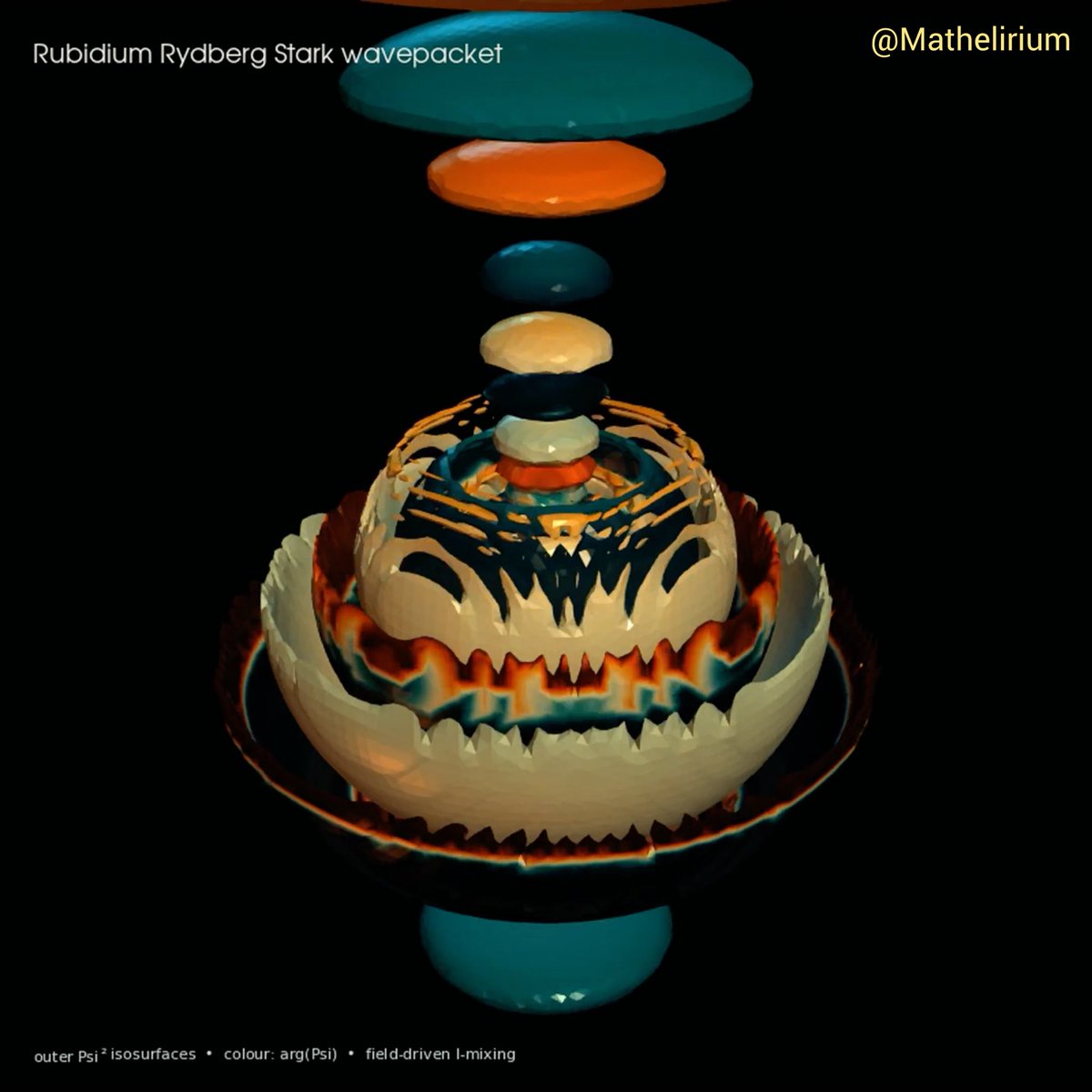
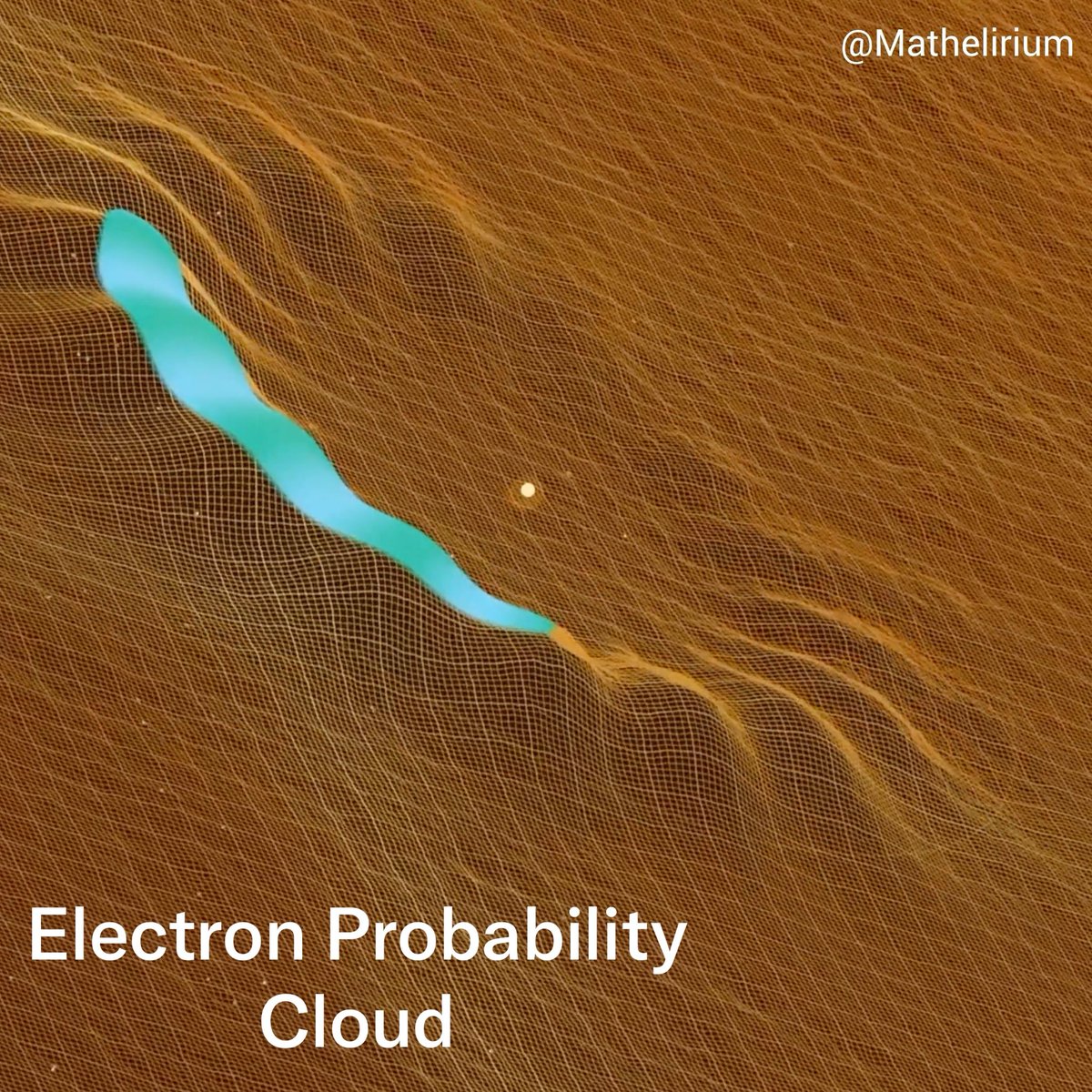
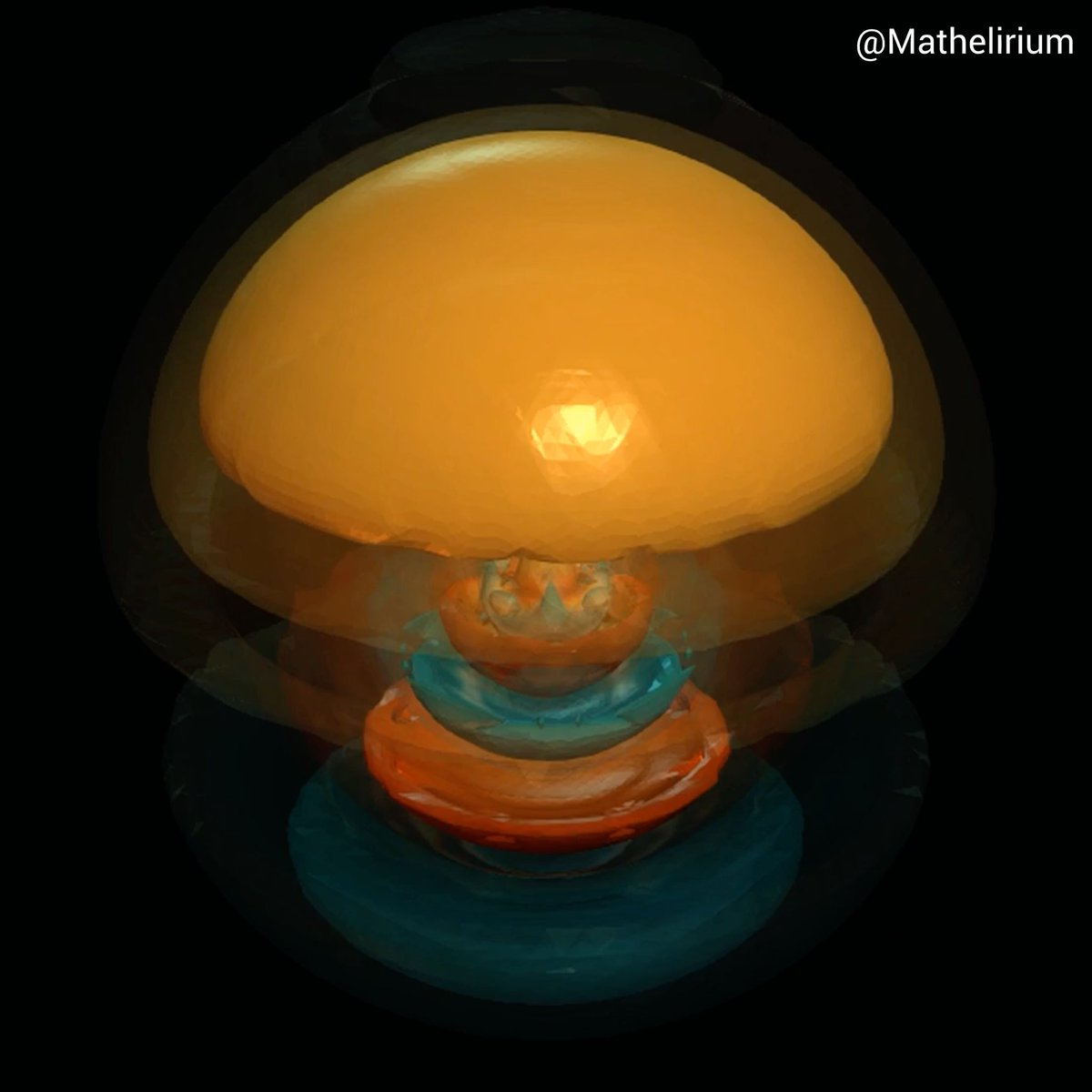
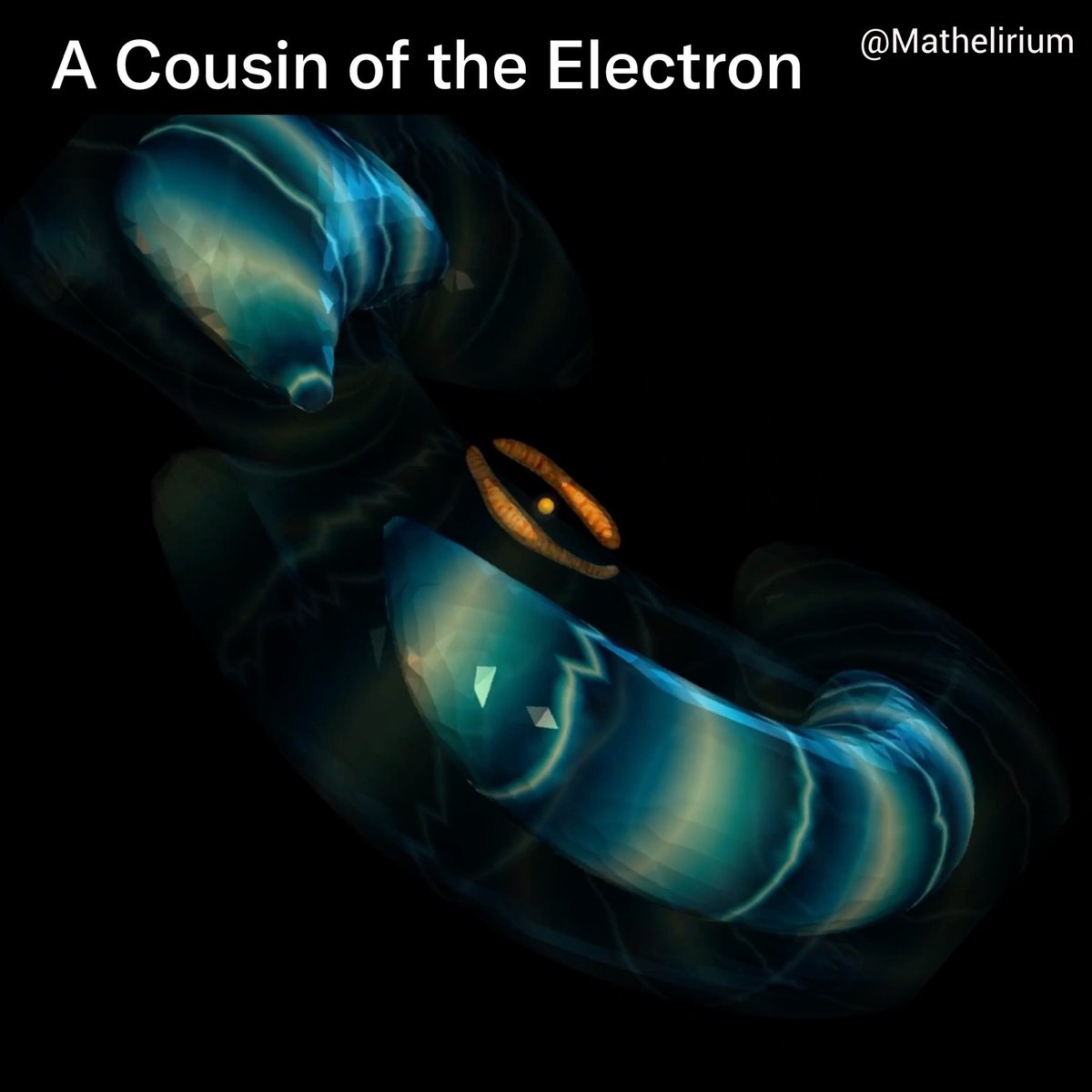
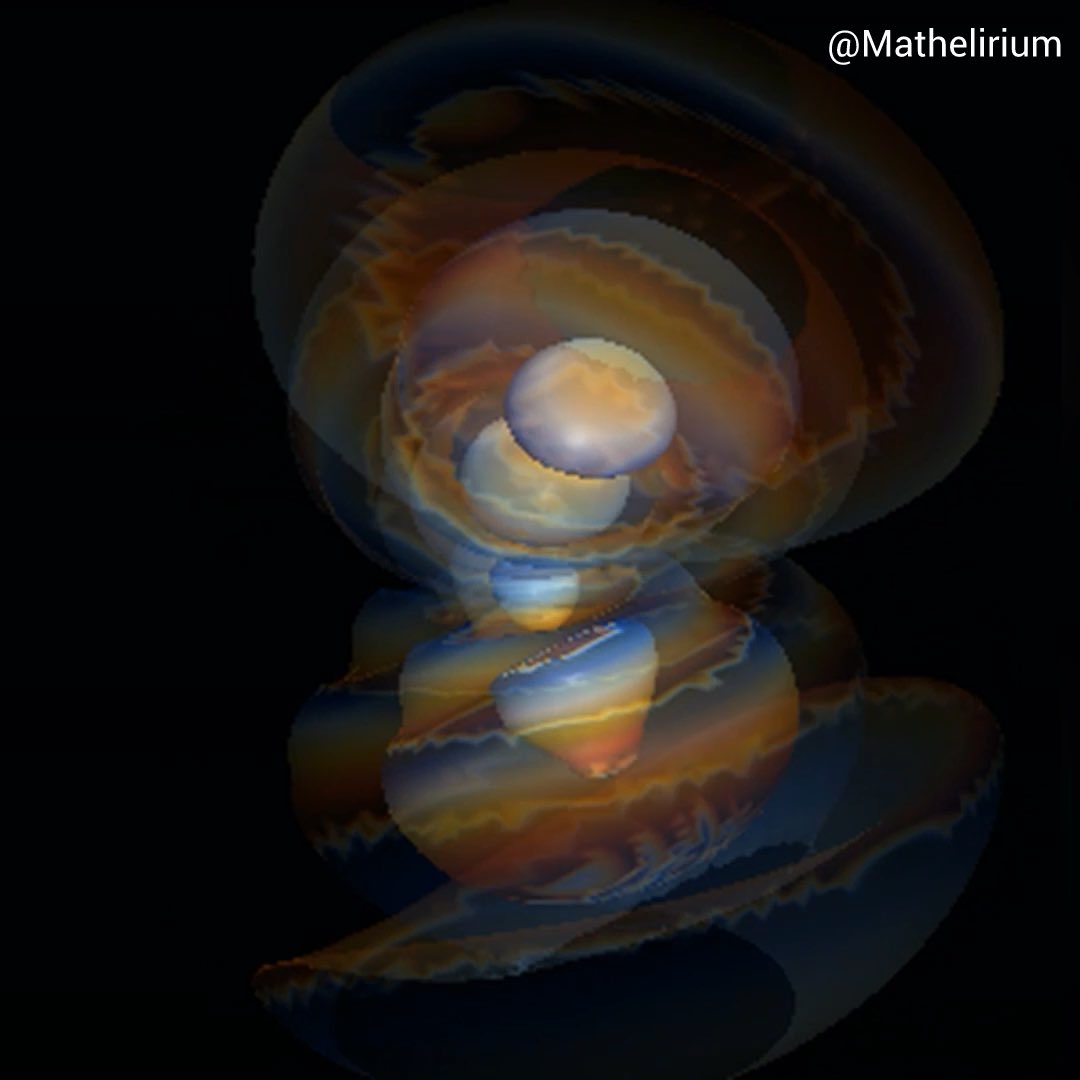
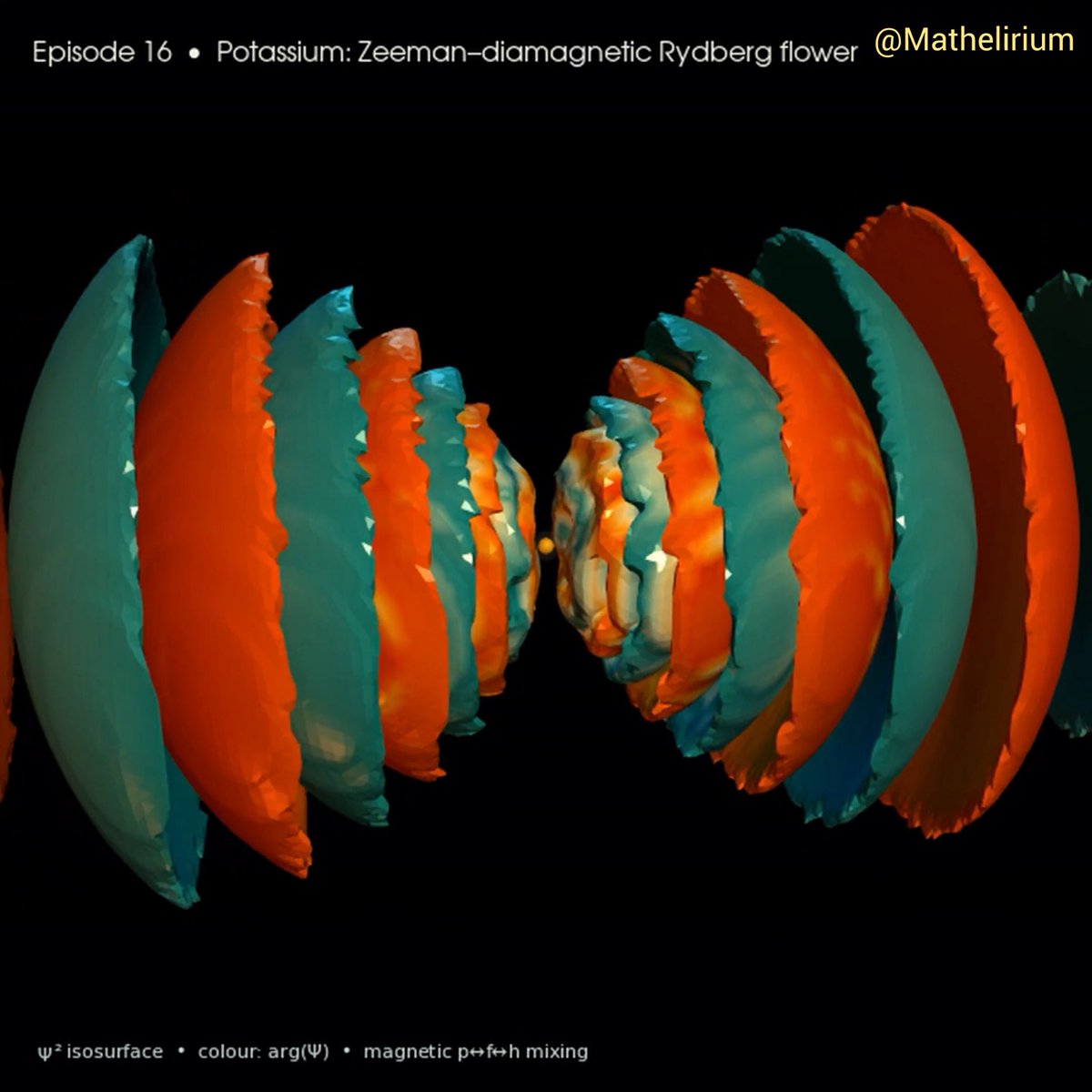
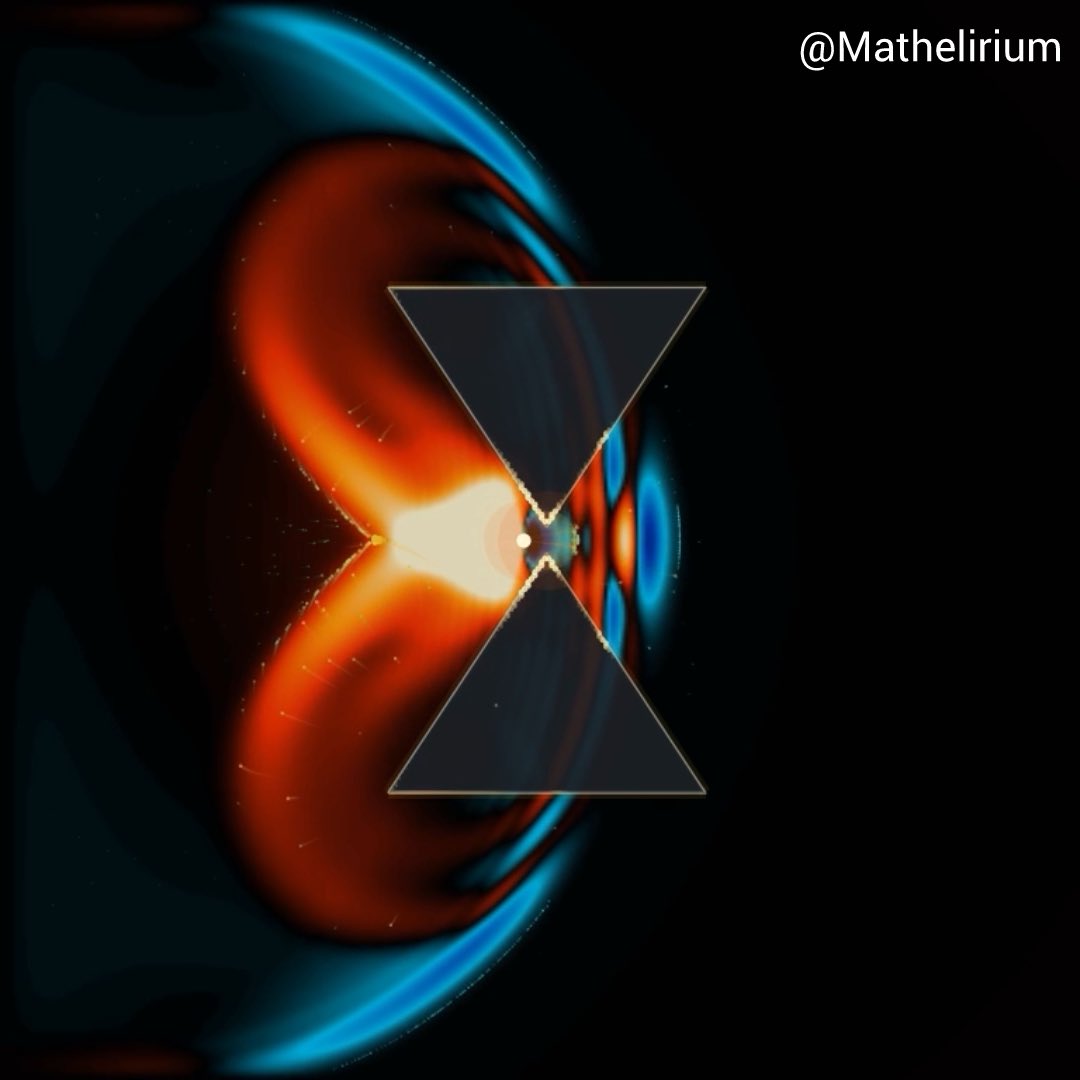
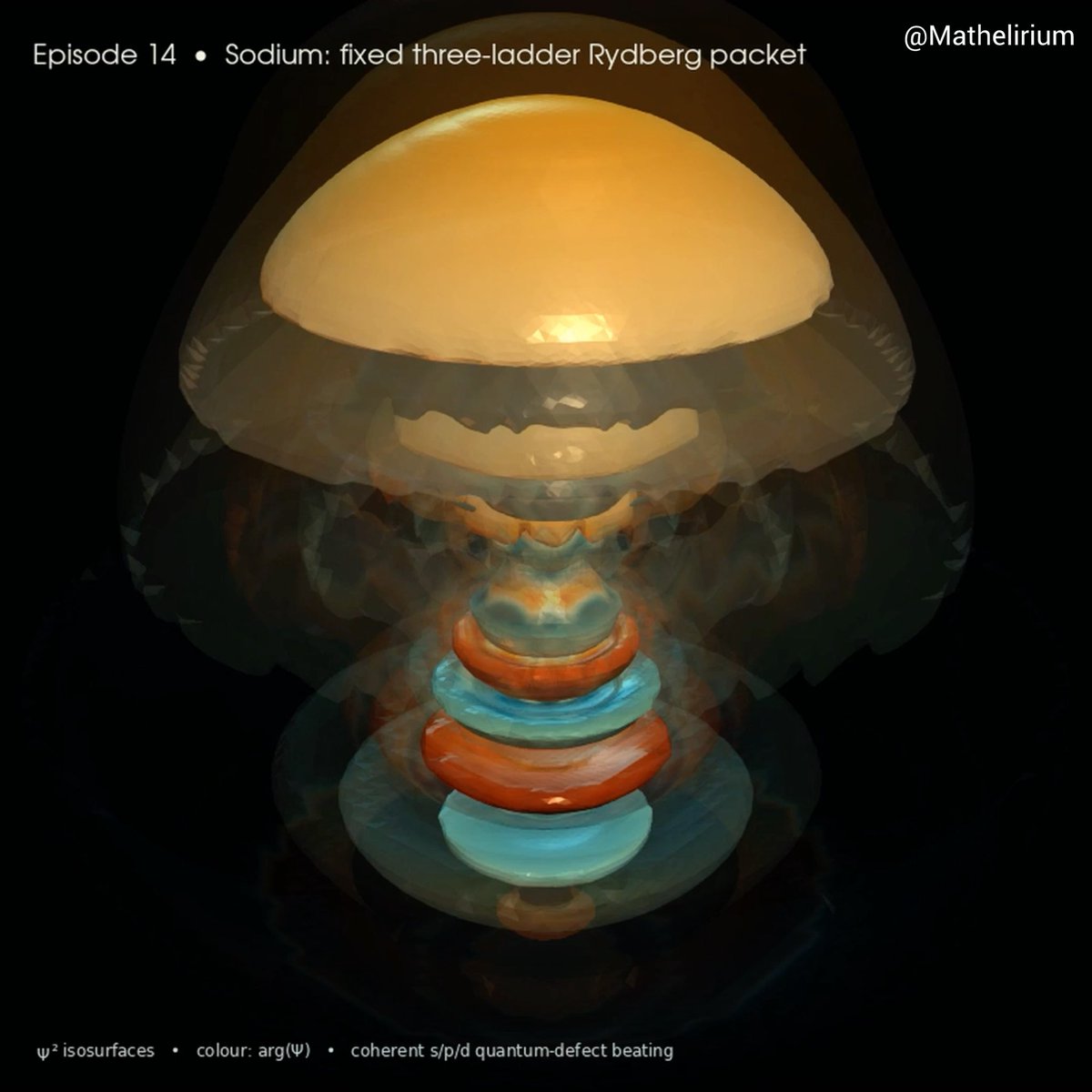
This is a visualization of a Rydberg wavepacket. In simple terms it is a way of showing an electron in a very highly excited quantum state. The Math comes from the Schrödinger equation for hydrogen where the electron is described by a wavefunction rather than as a tiny ball... show more

17,723 views • 1 month ago •via X (Twitter)
15 Comments

Why does the surface move?

So… now we’ve got Schrodinger’s Coral Snake?

My Intestines after Taco Bell

Nice visualisation, though it reminded me of...🤣

Die Wasserstoffbrücken zwischen den Basen wären in deinem Modell die eigentlichen Spannungsübertrager. Sie halten die beiden Stränge auf genau dem Abstand, der nötig ist, damit die 3,5–π-Spannung stabil zwischen den Strängen oszillieren kann.…

I’d be interested in seeing this picture in light of Jacob Barandes claims regarding indivisibility and the schroedinger equation.

took a whole quantum state just to make the point that fixed orbits were a marketing simplification the whole time

How did you decide on how "fast" to show the simulation running?

This reminds me of my experiments. But I like how fluid it looks in your simulation.

Thanks. One day a nice person will realize I don’t read anything about that until a child attempts to enlist as protest.

Wouldn’t a Rydberg state like this eventually radiate photons as it decays to lower energy states? I know this is a visualization of the wavepacket, but it would be really cool to see the full evolution. And eventually, the 1s state would become spherically symmetric again right?

Será que ele se move mais rápido quando ancanca seu rastro deixado, como pegar vácuo na fórmula 1, ele sofre aceleração sem recer energia externa? É uma boa pergunta, criar autoestradas para mover elétrons de camada de valência sem aplir energia no sistema.

Cloudance electronfum e=hfc/g;fgh=emc

Do you use manim? Was this created in manim?
Python