Video wird geladen...

Video konnte nicht geladen werden

Zur Startseite

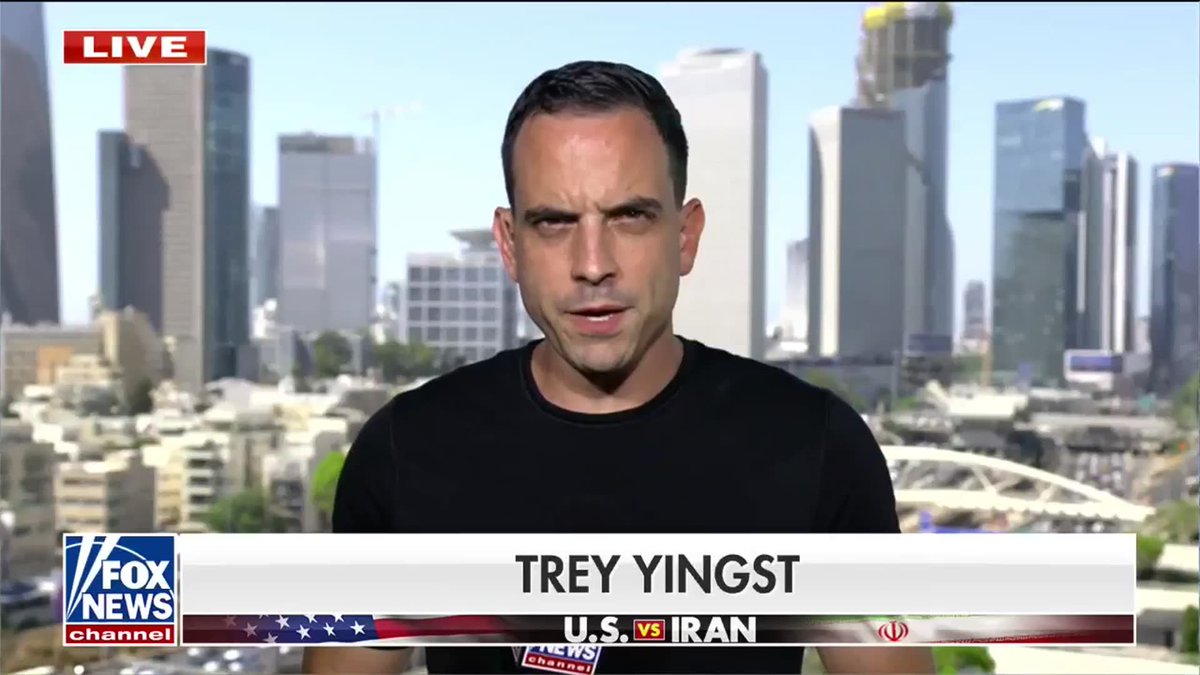
🇺🇸🇮🇷 Trump is demanding reparations from Iran while Tehran is increasingly concluding there is no point negotiating with him at all. And while Washington waits for Tehran to crack, the Middle East is quietly building a security order designed to rely less on America. Trump told Axios that Washington...

296,630 Aufrufe • vor 11 Tagen •via X (Twitter)

0 Kommentare

Keine Kommentare verfügbar

Kommentare vom Original-Post werden hier angezeigt

Ähnliche Videos

🇺🇸🇮🇷⚠️ Trump hoped reopening the Strait of Hormuz would give him an opportunity to declare victory and wind down the war with Iran, even without securing a nuclear agreement. Tehran, however, has dramatically raised the price of a deal. According to The Wall Street Journal, Iran is demanding the withdrawal of U.S. forces from the region, an end to the naval blockade, the lifting of sanctions, the release of frozen Iranian assets, and billions of dollars in war reparations before fully reopening the Strait of Hormuz. Those demands have significantly narrowed the Trump administration’s room for maneuver. Tehran reportedly believes Washington is increasingly eager to find an exit from the conflict and is therefore using its ability to disrupt the Strait of Hormuz, and consequently a crucial portion of global oil flows, as leverage at the negotiating table. The pressure is also growing inside the United States. Gasoline prices are hovering around $4 per gallon, while the approaching midterm elections give the Trump administration a strong political incentive to stabilize energy markets and reach an agreement with Iran. The situation leaves Washington facing an increasingly difficult calculation. Accepting Tehran’s sweeping demands would represent a major concession, while renewed military escalation risks further disruption of Hormuz and another surge in global energy prices. Iran appears to understand that pressure on the Strait directly translates into economic and political pressure on Washington, and Tehran is attempting to exploit that leverage to extract concessions it could never obtain under normal circumstances.

NSTRIKE

19,620 Aufrufe • vor 12 Tagen

🇺🇸🇮🇷 Trump's pressure strategy against Iran may be reaching its breaking point, because Tehran's answer to more pressure is more war Treasury Sec. Scott Bessent says Washington is preparing to move from “Epic Fury” to “Economic Fury,” with unprecedented measures designed to isolate Iran and squeeze its economy even harder. There's just one problem. Tehran is signalling that the more Washington turns up the financial pressure, the more Iran is prepared to turn up the military pressure. An adviser to Iran's Supreme Leader has now warned that if Iran's demands aren't met, Tehran could shift from a defensive posture to an offensive one. Meanwhile, CENTCOM commander Brad Cooper is reportedly becoming increasingly pessimistic that renewed fighting can be avoided. So while Washington publicly talks about pressure creating the conditions for diplomacy, the military appears to be preparing for the possibility that it produces exactly the opposite. And events on the ground are already moving in that direction. Two UAE-owned tankers were attacked by drones while transiting the Strait of Hormuz, with the UAE blaming Iran. The Houthis are escalating around Yemen and Saudi Arabia. And during our discussion, reports emerged of another attack targeting Saudi Aramco infrastructure. But America may be preparing for another round of fighting without having solved one of the biggest problems exposed by the last one: Weapons production. The U.S is finally fielding its Dark Eagle hypersonic missile, but the production rate is roughly one missile per month, with ambitions to increase that to two. And increasingly, America's adversaries appear to understand that the economics of warfare matter just as much as the weapons themselves. Fire cheaper weapons, force your enemy to burn expensive interceptors, drain their magazines, then use the weapons you've been saving. Trump's strategy rests on the assumption that enough pain eventually forces Tehran back to the negotiating table. Iran is betting on something very different: That enough pain forces America to decide this war simply isn't worth the price. And if neither side backs down, “Economic Fury” may not be the alternative to another war; it may be the trigger for it. Brandon Weichert

Mario Nawfal

281,298 Aufrufe • vor 7 Tagen

🇮🇷🇺🇸 The Strait of Hormuz may be reopening, but not on America's terms. Reports suggest Iran and Oman are close to finalising a new arrangement for shipping through the Strait, which, at first glance, looks like a de-escalation; Professor Seyed Mohammad Marandi says it is anything but. According to him, this isn't America restoring the old order; it's adapting to a new one. Iran has made one point non-negotiable: Nothing moves through Hormuz without Tehran knowing about it. Prof. Marandi says Oman and Iran have spent weeks negotiating a framework that keeps the Strait coordinated rather than divided. Iran insisted it would never accept a system where Oman managed one side while Tehran had no oversight of the other. Instead, he says, every vessel would remain subject to Iranian coordination. And even if an agreement is signed, that doesn't mean Hormuz suddenly returns to normal. Prof. Marandi argues that Trump first has to return to the broader Memorandum of Understanding that Washington abandoned. That means more than just shipping; it means sanctions relief, releasing frozen Iranian assets, and potentially new understandings covering Yemen and Gaza as well. Only then, he says, can the Strait be fully normalised. And the kicker this time is that Prof. Marandi doesn't believe Iran will simply reopen Hormuz and trust Washington to keep its promises later. He says Tehran will want key concessions delivered first. Seyed Mohammad Marandi

Mario Nawfal

352,761 Aufrufe • vor 16 Tagen

The biggest battle in the Middle East isn't Israel vs Iran anymore; it's Trump vs Netanyahu Former Israeli PM Ehud Olmert thinks their relationship isn’t just under strain; it may be breaking because the U.S. and Israel no longer want the same thing. Trump wants the Iran war over; he wants Hormuz open, oil prices down, markets calm, and America out of another Middle East disaster before it consumes his presidency. Netanyahu doesn’t have that luxury. Ehud argues Netanyahu still sees Iran as unfinished business, has his own political needs, and is leading a coalition packed with hardliners who believe the answer to every problem is more force, more escalation, and more war. He even believes Trump may have created the nuclear problem he now claims to be solving. According to Ehud, when Trump tore up Obama’s Iran deal, Israel hadn't found evidence that Iran was violating it. Without the deal in place, Iran accelerated enrichment, and the crisis escalated. After bombing them, the region nearly blew wide open, and now Washington is back trying to negotiate another deal with Tehran. Only this time, Iran is stronger, the price is higher, and the stakes are worse. Olmert’s warning is simple: military power can buy time, but it cannot replace a political strategy. That applies to Iran, Lebanon, Gaza, and Israel’s future relationship with America. Because if Trump wants the war to end while Netanyahu’s coalition still wants escalation, then the question is whether they are still fighting for the same future. And if they are not, this may be the beginning of the biggest U.S-Israel rupture in decades.

Mario Nawfal

679,989 Aufrufe • vor 1 Monat

🇺🇸🇮🇷 Trump may have reached the point where every option makes America's position worse. Middle East expert Joshua Landis says Iran isn't just retaliating to U.S. pressure anymore. It's deliberately expanding the battlefield to convince Washington that escalation carries a higher cost than compromise. Start with the recent strikes. An American response inside Iran is followed by Iranian attacks on U.S. assets in Jordan and on ships in Egypt. If Washington turns to economic warfare or tries to blockade Iran, Tehran will simply drag the conflict back into military escalation. Landis agrees. He argues the White House still believes it can force Iran to back down by gradually degrading its economy, missile capabilities and military infrastructure. But every new round of pressure pushes Iran to widen the conflict instead, creating economic pain for America's regional partners and demonstrating that no country is insulated from the consequences. Egypt is the perfect example. Even if American ships are the intended target, attacks near Egypt threaten tourism, Suez Canal traffic and one of the region's most fragile economies. The point isn't necessarily Egypt itself. It's proving that pressure on Iran can quickly become pressure on everyone else. That brings Landis to the real issue: the Strait of Hormuz. He argues this war is ultimately about who controls one of the world's most important energy chokepoints. For decades, American dominance in the Gulf has underpinned its global influence. But Landis says preserving that dominance through military force is becoming increasingly difficult. His argument is that even if Washington steps back, Iran cannot simply shut off global oil forever. Tehran also depends on exporting its own energy, meaning every Gulf state ultimately has an incentive to reach some form of accommodation. The real question isn't whether oil will keep flowing, but whether the United States remains the power that guarantees it. Landis warns that continuing to escalate may actually accelerate the decline Washington is trying to prevent. Joshua Landis

Mario Nawfal

272,598 Aufrufe • vor 22 Tagen

Trump's Fmr. Lawyer Robert Barnes says Trump thinks he's escalating to make Iran capitulate, but in reality, Tehran has learned how to play him. That is what makes this moment so dangerous. Trump appears to believe the war can still be ended quickly if he just applies a little more pressure and moves further up the escalation ladder. Then wait for Iran to surrender, but Robert says Iran is never going to give him that. For Trump, this is a war he wants to finish on favorable terms; for Iran, it's existential. That means Washington and Tehran are not operating with the same tolerance for pain, the same timeline, or the same definition of victory. And Tehran now understands the man across the table better than he understands himself. Iran has watched Trump repeatedly convince himself that another strike will finally produce the submission the previous strikes failed to achieve. Then, when the opposite happens, he becomes frustrated and escalates again. Iran appears to be exploiting that weakness with a disciplined tit-for-tat strategy rather than random escalation or total war. Each move raises the cost without immediately giving Trump the clean pretext he might want for unlimited escalation. Robert thinks Iran is studying his psychology and asking one question before every major action: Will this provoke him too early, or will it punish and humiliate him at exactly the right moment? That distinction is crucial because humiliation may be Trump’s greatest vulnerability. Robert Barnes

Mario Nawfal

374,241 Aufrufe • vor 1 Monat

🇺🇸🇮🇷 Trump’s threats no longer frighten Iran, and every retreat makes the U.S look weaker Trump insists Iran is desperate to negotiate, but Tehran says there are no direct talks, Pakistan says they aren't happening, and even U.S officials deny any direct negotiations are taking place. So what's actually happening? Fmr. CIA analyst Larry Johnson says we're watching the same cycle repeat over and over again. Trump threatens overwhelming military action, Iran refuses to concede, the world braces for war, then Trump steps back. Days later, the threats begin all over again. The problem is that Iran has now learned the pattern, and it no longer assumes every ultimatum will end in military action. Instead, Tehran prepares for the worst, waits, and watches Washington blink. Larry believes that's because the U.S has run into a reality it cannot bomb away: The Strait of Hormuz. Trump says America controls it, but Larry says that's simply not true. The U.S can launch airstrikes, move ships, and threaten, but it cannot reopen the Strait on its own terms while Iran still retains the ability to strike shipping and energy infrastructure. Which means the military solution Trump keeps hinting at doesn't actually exist. That's why Larry believes Iran's leverage keeps growing. Every day the disruption continues, oil, LNG and other critical exports remain constrained, pressure builds across the global economy, and Washington faces mounting costs from a conflict it still cannot decisively resolve. And if that continues... The question may no longer be what concessions Iran is willing to make. It may be what concessions America can no longer avoid. SonofNewAmericanRevolution

Mario Nawfal

285,538 Aufrufe • vor 18 Tagen

🇮🇷🇺🇸 Iran has reportedly given Washington a new ultimatum: return to diplomacy and lift the naval blockade within “a few weeks,” or Tehran will expand the war. Iran says the previous 60-day MOU deadline is meaningless because Washington violated the agreement before negotiations even began. The new deadline is different. This one is coming from Tehran. And the pressure is already visible. Shipping through the Strait of Hormuz has fallen to a near standstill, with only five commodity vessels reportedly transiting Saturday and none Sunday, compared with 31 the previous weekend. The dispute at the center of everything is Hormuz. Iran wants control over passage and the ability to charge fees. Washington appears unwilling to accept that, making the Strait the central bargaining chip in the entire conflict. Trump, meanwhile, claims the U.S. has “total control” of Hormuz, says he is communicating with the IRGC, and has threatened Oman if it obstructs efforts to reopen the Strait. The IRGC has publicly denied that any backchannel negotiations with Washington are taking place. That leaves both sides claiming leverage while preparing for another round of escalation. Iran is reportedly shifting from a defensive posture to an offensive one, with officials warning that a failed diplomatic process could bring attacks on Gulf infrastructure, internet cables and other regional targets. The bigger concern is that Tehran appears to be preparing for a long war rather than assuming another ceasefire will hold. Inside Iran, authorities are also tightening restrictions, including proposed criminal penalties for unauthorized contact with foreign media, foreign-funded organizations and scientific institutions. Meanwhile, the U.S. is dealing with growing questions about military morale, political constraints and whether Washington actually has a viable off-ramp. The core problem is becoming increasingly difficult to escape: Iran believes Washington will eventually try to escalate again. Washington cannot easily accept Iran gaining control over Hormuz. And neither side appears willing to concede the point that matters most. The next few weeks could determine whether this remains a standoff or becomes the next phase of the war. Brandon Weichert

Mario Nawfal

296,727 Aufrufe • vor 4 Tagen

🇺🇸🇮🇷 Journalist Sharmine Narwani says Trump is trying to claim credit for a Hormuz deal he did not negotiate and may no longer have the power to stop. She argues there is no U.S-Iran deal; Washington and Tehran are not even negotiating directly. The real discussions are taking place between Iran and Oman, with Gulf states increasingly backing a regional solution to a crisis America created but could not control. And that distinction matters. Trump wants to present any reopening of the Strait of Hormuz as another war he personally solved, but Sharmine says the real story is almost the exact opposite. Regional states are no longer waiting for Washington to decide how they engage with their neighbors. They are taking matters into their own hands because leaving their security to the U.S became too dangerous. The emerging Hormuz arrangement is still being negotiated, but one Iranian position appears immovable: The Strait will never return to the system that existed before the war. Iran could retain authority over inbound traffic, oversight of vessels using the Omani route, the power to inspect or block ships it considers hostile, and transit or service fees also remain on the table. Even a final agreement would not mean business as usual, because any renewed attack on Iran could immediately close the Strait again. America may now have to accept an arrangement written by Iran and Oman, supported by Gulf nations and only reluctantly tolerated by Washington. Sharmine argues this reflects something much larger than a dispute over shipping lanes: The old regional order is breaking down. For decades, Washington expected allies and adversaries alike to wait for American approval before making major security decisions. This war changed that calculation, and Iran emerged not isolated or broken, but with greater influence over the diplomatic endgame. Her argument is that the U.S did not merely fail to defeat Iran; it accelerated the rise of the regional power it entered the war to contain. Sharmine Narwani

Mario Nawfal

229,892 Aufrufe • vor 15 Tagen

🇮🇷🇺🇸 Iran is turning Hormuz into the price of ending the war, and the U.S may now face an impossible choice. Shipping through the Strait has reportedly fallen from roughly 130–140 vessels a day before the war to just SIX yesterday, and the positions on both sides appear to be getting further apart. Iran is now tying the full reopening of Hormuz to a much bigger package of demands: End the war and blockade, release frozen Iranian assets, and secure a broader regional ceasefire encompassing Lebanon and Gaza. Only then does the Strait fully reopen. Iran and Oman may be getting closer to agreeing HOW shipping would operate through Hormuz, but that doesn't mean Tehran has agreed to actually reopen it yet. And while the diplomacy drags on, the physical situation is getting worse. Kpler figures suggest oil flows have fallen to around 2.2 million barrels per day, compared with roughly 20 million barrels of oil and petroleum products transiting daily before the war. Which brings us to what may be the biggest strategic shift of the entire conflict. According to a U.S military intelligence assessment, Iran's strategic priority may increasingly be moving away from its nuclear program, and toward control of Hormuz itself. Think about what that means. For decades, Iran sought deterrence through its nuclear program, ballistic missiles and regional allies. But this war may have accidentally handed Tehran something capable of inflicting immediate economic pain on the entire world: Hormuz. "The Strait of Hormuz IS their nuclear weapon." Not literally as a military deterrent, but economically, the leverage is extraordinary, and that leaves Trump with horrible options. Accept some version of Iran's demands and potentially end the war with Tehran exercising MORE authority over Hormuz than it had before the fighting began. Or attempt to break Iranian control militarily. But the U.S military assessment warns that doing so could be lengthy, costly, and deadly, with no guarantee it would even work. The Iran war may not actually be ending; it may simply be frozen, with both sides waiting for the moment when they think they can win the next round.

Mario Nawfal

366,811 Aufrufe • vor 10 Tagen