Loading video...

Video Failed to Load

Go Home

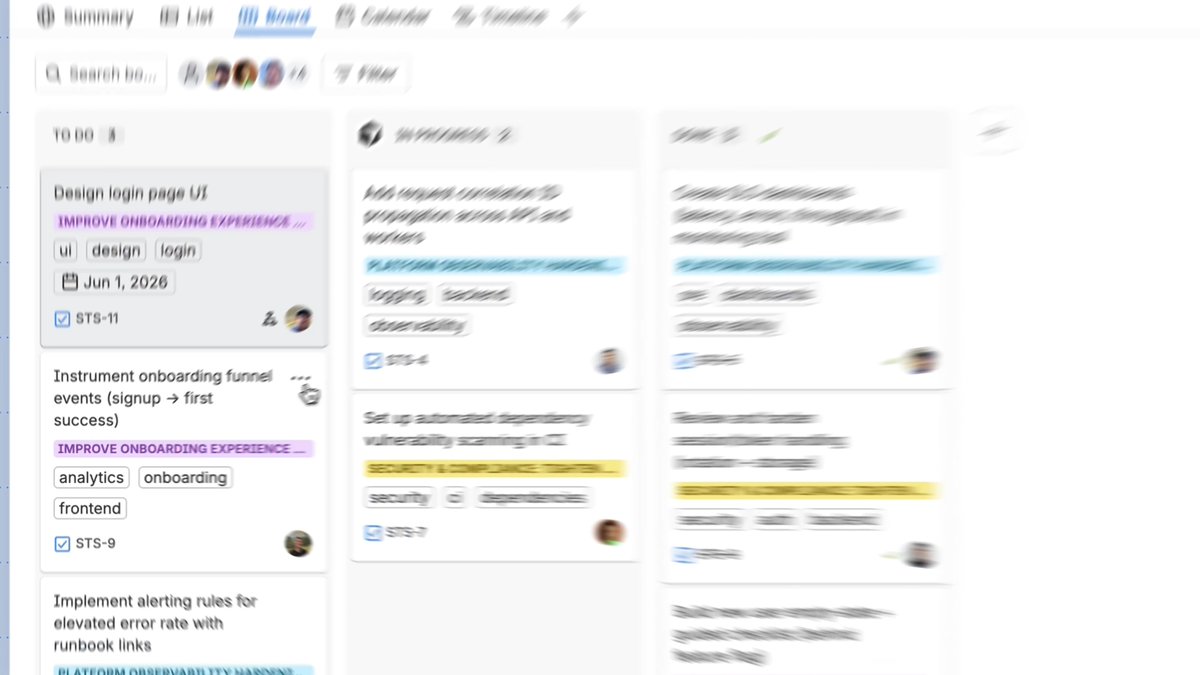
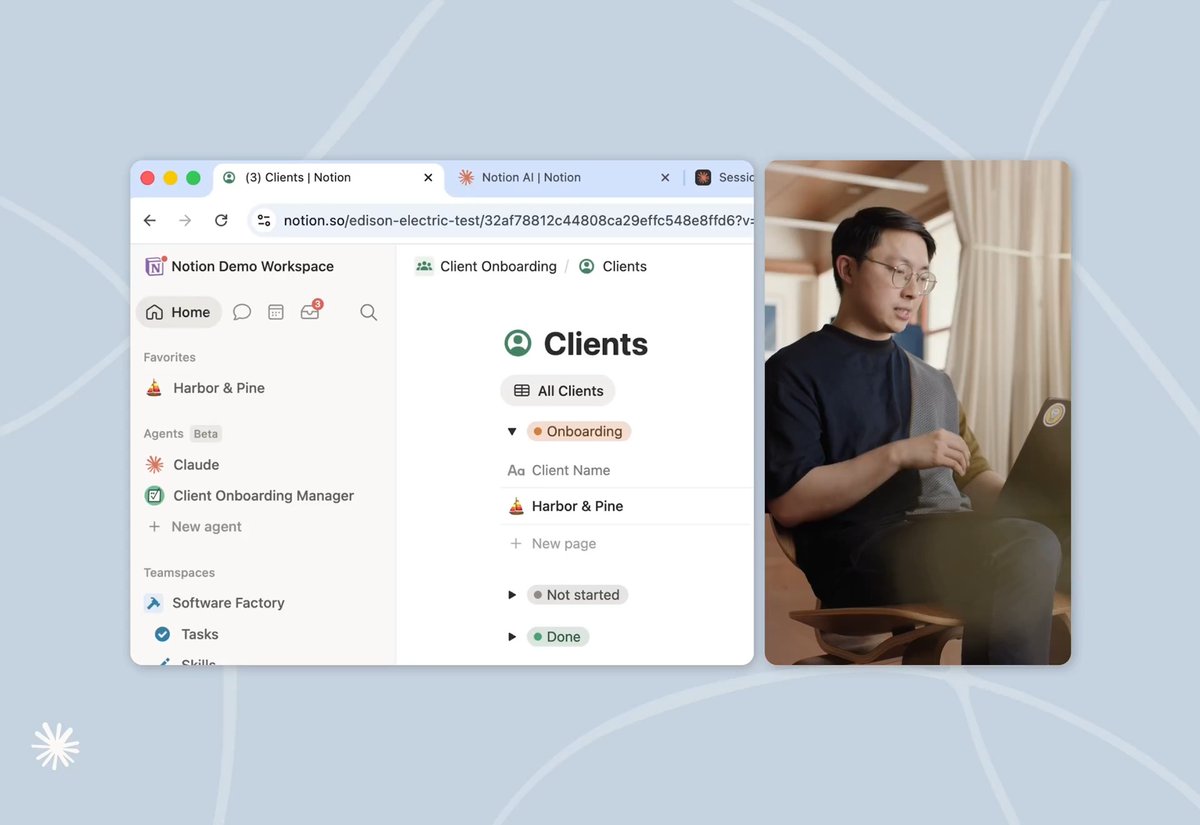
We just shipped multiplayer in Cursor Projects Everyone gets their own agents, working from one shared task board and shared context When your agent needs something from a teammate's work, it asks their agent directly

38,113 views • 12 hours ago •via X (Twitter)

33 Comments

@jason's profile picture
@jason12 hours ago

@milichab 📝

matt palmer's profile picture
matt palmer12 hours ago

@milichab 🫡

John Fitch's profile picture
John Fitch12 hours ago

YES!

matt palmer's profile picture
matt palmer12 hours ago

🤘

Chief's profile picture
Chief12 hours ago

Sweet!

Zamir Hashorva's profile picture
Zamir Hashorva12 hours ago

Thank you 🙏

Dan Western's profile picture
Dan Western12 hours ago

My Grok @bot Chief of Staff Atlas will be super stoked for this! 🦾

The SI Maximalist's profile picture
The SI Maximalist12 hours ago

Congrats on shipping ❤️ Letting the agents ask each other for context sounds like a very welcome break from copy-paste duty

Kong King's profile picture
Kong King12 hours ago

Okay, so do you want more team members from the community now?

Lil Red's profile picture
Lil Red12 hours ago

@milichab @bot

James Swad's profile picture
James Swad12 hours ago

Dropping the human proxy middle man

Macro Bombastic's profile picture
Macro Bombastic12 hours ago

agents talking to agents is wild but honestly kinda inevitable

Raúl Nogales 🇪🇸🇺🇸's profile picture
Raúl Nogales 🇪🇸🇺🇸12 hours ago

Agents asking each other directly is the part that changes team work. The open question is trust: who sees what when one agent talks to another. If permissions are clear, this saves a lot of back and forth. If not, teams will hesitate.

Jaco Roets's profile picture
Jaco Roets12 hours ago

🔥

🚀 madscientistBTC's profile picture
🚀 madscientistBTC12 hours ago

That’s a big workflow shift. Shared context is usually the bottleneck, not the number of agents. Curious how you handle two agents editing the same file.

mtb's profile picture
mtb12 hours ago

love this

Jyothidhar's profile picture
Jyothidhar12 hours ago

I'd want one person accountable for each task even when several agents work on it. The agents can coordinate the work, but someone still needs to decide which work matters.

Aditya Batra's profile picture
Aditya Batra12 hours ago

finally my agent can ping your agent at 2am instead of me

Azwan's profile picture
Azwan12 hours ago

Is it me or I feel like I’m not or do not know how to take full advantage of my Bots? I’m stuck on using it like a normal grok chat.

JPipo86's profile picture
JPipo8612 hours ago

What happens when two agents claim the same task on the shared board?

Luke de Wet's profile picture
Luke de Wet12 hours ago

Great!

Ryan McNutt's profile picture
Ryan McNutt12 hours ago

Can I invite multiple grok bot accounts to the same cursor project? I want to invite their agent so it can use their quota

Max Petrusenko's profile picture
Max Petrusenko12 hours ago

direct asks hold unless their side is idle. then the question needs a durable inbox or nobody ever picks it up.

Jonah Anthony's profile picture
Jonah Anthony12 hours ago

Whoa!! When my agent asks a teammate's agent something, does it wait for the answer or keep working and pick it up later?

bee's profile picture
bee12 hours ago

so this got priority over give a functional @bot bruh make that make sense

Vishal Singh's profile picture
Vishal Singh12 hours ago

Tbh I don't like the idea of an agent speaking with my teammate's agent, especially if they have separate sets of rules and skills. One slop can degrade the quality don't you think? 🤔

Coucou Nameworks's profile picture
Coucou Nameworks12 hours ago

Great job 👍

zappye's profile picture
zappye12 hours ago

How is access checked when one agent asks another for context? If my teammate can read a repo I can't, their agent's summary could expose it without sharing a file. Does the response inherit the requester's permissions, including for cached answers?

Justin Fredette's profile picture
Justin Fredette12 hours ago

This is wildly cool! Shortening and automating the gap for knowledge retrieval even more

Tyler Klose's profile picture
Tyler Klose12 hours ago

👀

Tj Johns's profile picture
Tj Johns12 hours ago

@grok explain this deeper for me

Elias's profile picture
Elias12 hours ago

my agent bugging yours instead of me bugging you. i'm in

Joseph Abell's profile picture
Joseph Abell12 hours ago

holy shit

Related Videos

Everyone wants agent swarms. Very few people are talking seriously enough about the context layer that makes swarms useful. Even with one agent, context is fragile. Too little context and the agent guesses. Too much context and it wastes tokens, loses focus, or reasons over irrelevant noise. The sweet spot is precise context: the right knowledge, in the right structure, at the right moment. With many agents, that challenge explodes. Each agent produces decisions, assumptions, findings, summaries, risks, and partial conclusions. Unless that knowledge becomes shared, structured, and reusable, every new agent is forced to rediscover what another agent already learned. That is not a swarm. That is a crowd. Shared context graphs are what turn agent activity into agent collaboration, and OriginTrail DKG V10 brings them to life. Was just playing with some final polishing for the V10 release, and it is really powerful to see shared context graphs where multiple agents contribute knowledge into the same connected memory, with attribution visible directly in the graph ui. That matters for three reasons. First, agents can access and build on one shared memory instead of staying trapped in isolated sessions. Second, the graph structure helps them retrieve the exact context they need, instead of stuffing everything into a prompt and hoping the model sorts it out. Third, verifiability of provenance. You can see which agent contributed each piece of knowledge, trace the source, and decide what to trust. Tokenmaxxing starts with fewer tokens, but the deeper story is coordination - agents stop reloading the world and start building on shared, verifiable context. That is the foundation for serious multi-agent work across software engineering, research, finance, operations, project management, and far beyond. The future is not more agents, it is agents working from shared, verifiable context. But the more the merrier, of course.

Jurij Skornik

11,180 views • 5 months ago