Video wird geladen...

Video konnte nicht geladen werden

Zur Startseite

Why High LDL Didn’t Increase Plaque Risk Data shows that years of elevated LDL did not lead to plaque progression as commonly expected. After long-term exposure, most participants saw stable plaque scores, with LDL and ApoB showing no link to plaque growth. Learn what actually predicted plaque changes and...

40,939 Aufrufe • vor 7 Monaten •via X (Twitter)

0 Kommentare

Keine Kommentare verfügbar

Kommentare vom Original-Post werden hier angezeigt

Ähnliche Videos

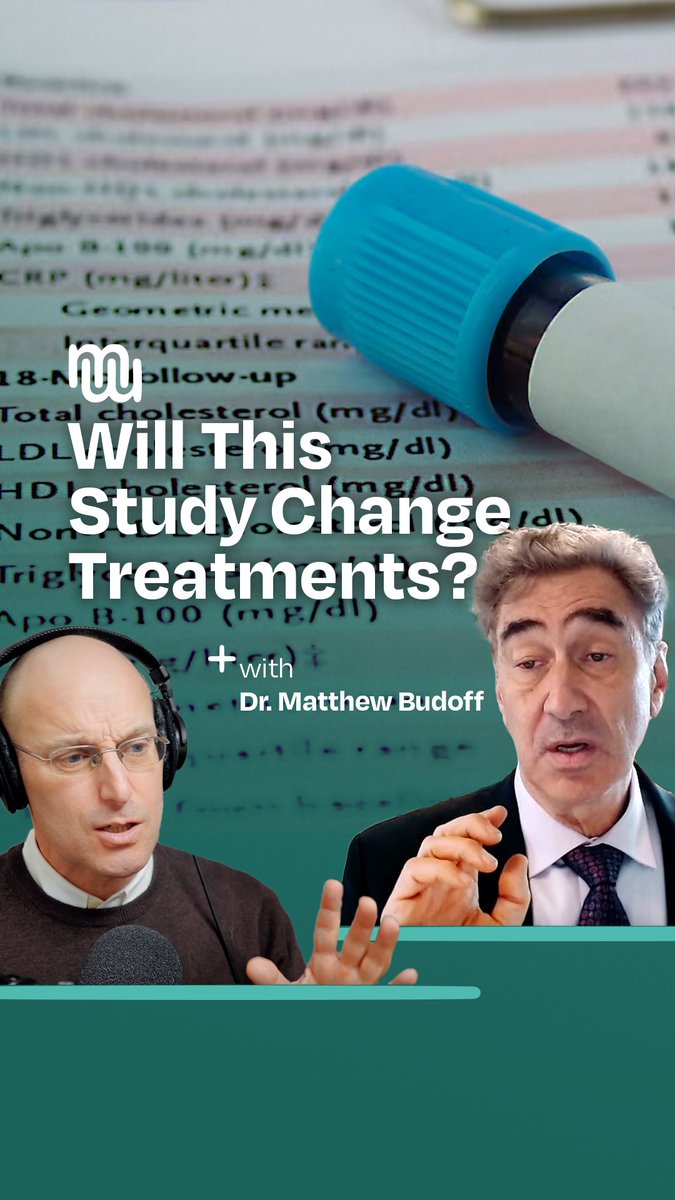
There’s been a lot of buzz—and confusion—about the new Keto-CTA study, examining plaque progression in Lean Mass Hyper-Responders (LMHRs). Much of the social media debate has centered on whether high LDL on keto is safe or dangerous, driven largely by how to interpret the supplemental table comparing this study to others on LDL and plaque progression. In this episode of the Metabolic Mind Podcast, we sit down with Dr. Matthew Budoff, a world-renowned cardiologist, cardiac CT researcher, and the study's lead investigator, to discuss the the supplemental table, what the plaque markers mean, and how this fits into the discussion of high- vs -low-risk plaque progression. In this episode, we cover: ✅ What PAV (Percent Atheroma Volume) is, what it actually measures, and why it matters ✅ Why a 50% increase in plaque may sound scary, but can be deceiving ✅ The difference between “treatment-naive” and “treated” participants ✅ What the Miami Heart Study comparison reveals about keto, LDL, and plaque ✅ Why LDL alone may not tell the whole story about heart disease risk ✅ How some high-risk individuals may still benefit from statins and other therapies This study doesn’t answer whether keto causes heart disease or not. Instead, it shows that high LDL on a ketogenic diet is not a reliable predictor of plaque progression across all individuals. What is predictive? The presence of existing plaque. 💡 Key takeaway: Relying on surrogate markers of heart disease, like LDL and ApoB, is not the best way to assess heart disease risk in all populations. If you're concerned about how elevated LDL may be affecting your heart health, the best next step is to speak with your doctor about cardiac imaging to directly assess plaque and gain a clearer picture of your individual risk. Expert Featured: - Dr. Matthew Budoff - X: - Resources Mentioned: Plaque Begets Plaque, ApoB Does Not CMEs Mentioned: Managing Major Mental Illness with Dietary Change: The New Science of Hope Brain Energy: The Metabolic Theory of Mental Illness Follow our channel for more information and education from Bret Scher, MD, FACC, including interviews with leading experts in Metabolic Psychiatry. Learn more about metabolic psychiatry and find helpful resources at

Metabolic Mind

98,147 Aufrufe • vor 1 Jahr

What if everything we thought we knew about cholesterol and heart disease risk… doesn’t apply to everyone? In this episode, world-renowned cardiologist Dr. Matthew Budoff unpacks the results of a landmark one-year study tracking 100 lean, metabolically healthy individuals on a ketogenic diet with extremely elevated LDL levels. Dr. Budoff is the Program Director, Director of Cardiac CT, and the endowed chair of preventive cardiology at The Lundquist Institute for Biomedical Innovation at Harbor-UCLA Medical Center. In this interview, Dr. Scher and Dr. Budoff further break down the results of his new publication, which used advanced imaging to demonstrate that LDL cholesterol and ApoB levels are not associated with plaque progression in Lean-Mass Hyper Responders following a #ketogenicdiet. 📊 Surprising insights: • Elevated LDL and ApoB did not predict plaque progression • Some participants with LDLs over 500 showed no plaque at all • A few participants even experienced plaque regression • Existing plaque—not LDL-C or ApoB—did predict plaque accumulation in this population Dr. Budoff explains what these results mean for clinicians, for patients using ketogenic therapy as a medical intervention, and for the broader conversation around cardiovascular disease risk. “It is important that clinicians, along with the general public, are made aware that personalized, data-driven approaches to assessing risk should be considered based on individual conditions,” said Dr. Budoff. “The existence of this phenotype suggests that alternative markers or tests should be used to establish metabolic health in some cases.” 🎬 These exciting new findings are featured in Dave Feldman and Jen Isenhart’s upcoming documentary, The Cholesterol Code, the story of how a software engineer conducts a groundbreaking study on an unusual group of people—lean, healthy individuals whose doctors are convinced they’ll die young. Real stories of healing with ketogenic diets provide a blueprint for using food as powerful medicine. Visit to learn more about the film and to be the first to hear about private screenings and the general release in the fall. Expert Featured: Dr. Matthew Budoff Matthew Budoff MD Resources Mentioned: Plaque Begets Plaque, ApoB Does Not Diagnostic and Preventative Cardiovascular Imaging Center CMEs Mentioned: Managing Major Mental Illness with Dietary Change: The New Science of Hope Brain Energy: The Metabolic Theory of Mental Illness Learn more about metabolic psychiatry and find helpful resources at

Metabolic Mind

10,423 Aufrufe • vor 1 Jahr

🚨🚨🚨🚨🚨🚨🚨🚨 BREAKING: Matthew Budoff MD has now presented the matched analysis for: KETO (#LMHRstudy) vs Control (#MiHeart) -🙏Please RT🙏- METHODS – 80 Participants of #LMHRstudy fell within #MiHeart age range and were then matched 1:1 for age, gender, race, diabetes mellitus, hyperlipidemia, hypertension, and past smoking to asymptomatic subjects from the #MiHeart cohort. PRIMARY ANALYSIS – High resolution heart scans (#CCTA) allowing for primary analysis of Total Plaque Score (TPS), Total Stenosis Score (TSS) and Segment Involvement Score (SIS) RESULTS The matched mean age was 55.5 years, with mean #LDL cholesterol of 272 mg/dL (max LDL-C 591) mg/dl and mean 4.7 years duration on a ketogenic diet. 🚨 There was no significant difference in coronary plaque burden of #LMHRstudy (mean LDL-C 272) cohort as compared to #MiHeart controls (mean LDL 123 mg/dl); nb: pre-KETO LDL-C in KETO group was 122 mg/dl 🚨 There was no significant difference in CAC (median and IQR) [0 (0,56)] versus [1 (0, 49)], p = 0.520 🚨 No relationship of LDL-C elevations and plaque ⚠️ This analysis is on baseline scans and the study is still ongoing for second CCTA completion in our cohort by February of 2024. And as always, please continue to work with your doctor. - I will have my own video reaction and thoughts in the coming hours. 🙏🙏🙏 to everyone -- and I mean everyone -- who helped us get to this pivotal milestone. 🙏🙏🙏

Dave Feldman

1,105,960 Aufrufe • vor 2 Jahren

"The Standard Of Care In Prescribing Statins Is Killing People." Gary Brecka "Cholesterol Does Not Cause Atherosclerotic Plaque Or Narrowing Of The Arteries." "There's No Correlation Between Elevated LDL & Cardiovascular Disease." "People Living To 100 Have High Cholesterol." Atherosclerosis is an inflammatory disease, not a cholesterol disease & never a statin deficiency. LDL is a transport molecule delivering cholesterol to repair the cell membrane of the arterial wall that has been damaged by lifestyle & environmental factors. LDL is preventive of disease & immune system protective. LDL Low Density Lipoprotein is responsible for these key functions: 🛞 LDL delivers fat-soluble vitamins A, D, E & K for critical functions. 🛞 LDL maintains cell membrane structure & keeps electron flow stable. 🛞 It transports antioxidants like vitamin E to fight oxidative stress. 🛞 It provides the raw material for making all steroid hormones. 🛞 It delivers energy-rich triglycerides to keep metabolism flexible. 🛞 LDL neutralizes bacterial toxins & supports innate immunity. 🛞 It builds lipid rafts that organize cell signaling & redox balance. 🛞 It helps structure water around membranes to maintain charge. 🛞 LDL supplies cholesterol to repair damaged tissues & membranes. The root causes of atherosclerosis, hardening of the arteries, calcification & plaque is not cholesterol...but a combination of these factors: Industrial Seed Oils Processed Sugar Excess Carbohydrates Insulin Resistance Ultra Processed Foods Smoking Obesity Environmental Toxins Poor Sleep Excess Calcium From Supplements Low Vitamin D Levels Magnesium Deficiency K2 Deficiency Lack of Exercise Stress Heavy Metals Most chronic disease happens within us, not to us, almost all atherosclerosis causal factors are modifiable by lifestyle changes. A low carbohydrate diet prioritizing nutrient dense animal foods, eliminating harmful seed oils & sugar, provides the best healthy cholesterol profile. This approach keeps Triglycerides low & HDL high, which is one of the best biomarkers for heart health. Optimal TG/HDL ratio is 1.5 or less. 👇The Higher Your LDL, The Longer You Live👇 👇LDL Paradox: Higher LDL, Greater Longevity👇 👇LDL Does Not Cause Cardiovascular Disease👇 Speakers: Gary Brecka & Patrick Bet-David Podcast: PBD Podcast

Valerie Anne Smith

447,412 Aufrufe • vor 11 Monaten

LDL Cholesterol Saves Lives! What a fantastic example of cherry picking! Yes this person is right, in ELDERLY people, all cause mortality is greater amongst those with low LDL cholesterol… but WHY? And why didn’t he bring up all cause mortality with LDL levels amongst those who are not elderly? Oh because he doesn’t like that data. This is a textbook example of reverse causality. LDL Cholesterol is not protecting people from disease, but rather people with wasting diseases like cancer are more likely to be resistant to wasting if LDL is not low, indicating that they are not emaciated. But if we zoom out of the elderly and look at lifelong LDL exposure & the risk of mortality, it tells a very different story. Lifelong LDL cholesterol exposure has a LINEAR association with increased mortality, especially from cardiovascular disease (CVD) (PMIDs: 23083789, 38241044, & 30694319). In fact, reduced LDL exposure early in life throughout adulthood can reduce the chance of mortality from CVD by up to 3 times! Gee I wonder why he didn’t mention that. Additionally, the unremarkable results from many statin trials comes from the fact that often these are prescribed after a CVD event or later in life when someone has already done significant damage to their blood vessels. But even with that being the case we do see a clinically significant benefit in lowering the risk of mortality with statin use (PMIDs: 36233511 & 37368941). That said, statins can have some side effects & are not appropriate for everyone & you should speak to a cardiologist about your options if you have high LDL But this is a textbook example of carnivore zealots trying to do f***ery with science & giving you a 3rd of the info to try to trick you into believing their nonsense

Layne Norton, PhD

89,928 Aufrufe • vor 1 Jahr

🚨SHOCKING: Cholesterol SAVES Lives – It's CALCIUM that's the REAL Killer! Why Are We Still Popping Statins? You've been lied to. Cholesterol isn't the villain – Dr. Hal Huggins nails it: "Cholesterol Is The Most Important Molecule In The Body...Don't Blame Cholesterol For The Harm That Calcium Causes." Here's the science-backed truth: • **Plaque Reality Check**: Arterial plaque is ~90% calcium buildup, with just 1.5% fat (0.5% cholesterol). Unstable plaques are lipid-rich, but calcification stabilizes them – yet docs blame cholesterol? (NEJM, 1997: Davies on plaque composition) • **Brain Powerhouse**: 60% of your brain is fat; 30% of that is cholesterol – essential for neurons, memory, & mood. Low levels? Linked to depression & dementia. (StatPearls: Cholesterol's role in cell membranes & hormones) • **Longevity Boost**: Higher LDL (100-189 mg/dL) = LOWER mortality risk in adults 50-89. Elderly with high LDL live LONGER! (BMJ Open, 2016: Inverse association in 92% of cohorts; Nutrients, 2025: 40% lower mortality risk) • **Inflammation, Not Cholesterol**: Atherosclerosis is an inflammatory disease – driven by endothelial damage, not LDL. (NEJM, 1999: Ross's landmark review; Nature, 2022: Chronic inflammation key driver) Root causes to crush inflammation: • Low Vit D, Mg, K2 deficiencies • Seed oils, processed sugars/carbs • Insulin resistance, obesity, stress • Toxins, poor sleep, no exercise Fix with: Low-carb, animal-based whole foods. Aim for TG/HDL ratio <1.5 – ultimate heart health marker! Total Cholesterol Benefits For Levels Over 200 mg/dL, Which Is 5.2 mmol/L In Other Countries: -detoxification of chemicals, toxins & heavy metals. -protection against dementia & cognitive decline. -produces all steroid hormones & absorption of Vitamins A, D, E & K. -protects against stroke, heart disease, cancer & all cause mortality. -immune system protection against infections, bacteria, pathogens & viruses. -critical for digestion, liver health & production of bile acids. -important for lung health & airway integrity. -building block of every cell & mitochondria in the body. -maintains bone density & prevents osteoporosis. -lowers risk of depression, suicide, stress, high cortisol & anxiety.

Valerie Anne Smith

165,070 Aufrufe • vor 7 Monaten

"The Higher Your LDL, The Longer You're Going To Live." Cardiologist Dr Aseem Malhotra & Study Co-Author. "The Greater The Financial Interest In A Given Field, The Less Likely The Research Findings Are to be True." "The Most Lucrative Drug In The History Of Medicine Are Statins." $19 Billion Dollar Profit Industry Totalling 818 Million Prescriptions Annually. "The Benefit Of Statins For Both Low Risk & High Risk Primary Prevention Is ONLY 1%...1 In 100." "There Is No Correlation Between Elevated LDL Level & Events Of Cardiovascular Disease. In Fact, It's The Inverse. There Is A Correlation Between Higher LDL Level & Longevity." "The Higher The LDL, The Longer You're Going To Live, Because It Has A Vital Role In Your Immune System." "Just Because Cholesterol Is At The Scene Of the Crime, Doesn't Mean It's The Perpetrator." Cholesterol is trying to clear the inflammation & put out the fire caused by other lifestyle issues in order to get the body to return to Homeostasis. Atherosclerosis Is An Inflammatory Disease, Not A Cholesterol Disease or A Statin Deficiency. A Fireman shows up to put out a fire. He's not the cause of the fire. Cholesterol shows up to put out the fire of Inflammation in the Arterial Wall. Cholesterol is not the cause of the Inflammation that turns to Plaque. Eliminate The Root of The Inflammation Which Causes The Damage & Atherosclerosis: Chronic Stress High Blood Pressure Type 2 Diabetes Obesity Smoking Sugar Consumption Carbohydrates/Insulin Resistance Ultra Processed Foods Seed Oils Environmental Toxins Poor Sleep Low Vitamin D Level Low Magnesium Level Lack of Exercise These Are All Modifiable Risk Factors. Most Chronic Disease Happens Within Us, It Does Not Happen To Us. 👇Dr Aseem Malhotra's Co Authored Analysis 👇 👇Higher LDL, Greater Longevity👇 👇LDL Does Not Cause Cardiovascular Disease👇 👇Full Episode: The Ultimate Human Podcast👇

Valerie Anne Smith

204,455 Aufrufe • vor 1 Jahr

"The Higher Your LDL, The Longer You're Going To Live." Dr Aseem Malhotra, Cardiologist "The Greater The Financial Interest In A Given Field, The Less Likely The Research Findings Are to be True." "The Most Lucrative Drug In The History Of Medicine Are Statins." $19 Billion Dollar Profit Industry Totalling 818 Million Prescriptions Annually. "The Benefit Of Statins For Both Low Risk & High Risk Primary Prevention Is ONLY 1%...1 In 100." "There Is No Correlation Between Elevated LDL Level & Events Of Cardiovascular Disease. In Fact, It's The Inverse. There Is A Correlation Between Higher LDL Level & Longevity." "The Higher The LDL, The Longer You're Going To Live, Because It Has A Vital Role In Your Immune System." "Just Because Cholesterol Is At The Scene Of the Crime, Doesn't Mean It's The Perpetrator." LDL serves an important & vital purpose for vibrant health. LDL contains the antioxidants Vitamin E, CoQ10 & Carotenoids that kill off free radicals. This reduces inflammation & oxidative damage, which are the true causes of cardiovascular disease. LDL is a transport molecule delivering cholesterol to repair the cell membrane of the arterial wall. LDL is preventive of disease & immune system protective. Cholesterol is trying to clear the inflammation & put out the fire caused by other lifestyle issues in order to get the body to return to Homeostasis. Atherosclerosis Is An Inflammatory Disease, Not A Cholesterol Disease or A Statin Deficiency. A Fireman shows up to put out a fire. He's not the cause of the fire. Cholesterol shows up to put out the fire of Inflammation in the Arterial Wall. Cholesterol is not the cause of the Inflammation that turns to Plaque. Eliminate The Root of The Inflammation Which Causes The Damage & Atherosclerosis: Industrial Seed Oils Processed Sugar Carbohydrates Insulin Resistance Ultra Processed Foods Smoking Obesity Environmental Toxins Poor Sleep Low Vitamin D Levels Magnesium Deficiency K2 Deficiency Lack of Exercise Stress These Are All Modifiable Risk Factors. Most Chronic Disease Happens Within Us, It Does Not Happen To Us. A low carbohydrate diet prioritizing nutrient dense animal foods, eliminating harmful seed oils & sugar, provides the best healthy cholesterol profile. This approach keeps Triglycerides low & HDL high, which is one of the best biomarkers for heart health. TG/HDL ratio optimally should be less than 2.0 & even better at 1.5 or less. 👇The Higher Your LDL, The Longer You Live👇 👇LDL Paradox: Higher LDL, Greater Longevity👇 👇LDL Does Not Cause Cardiovascular Disease👇 Speakers: Dr Aseem Malhotra & Gary Brecka Video: The Ultimate Human Podcast

Valerie Anne Smith

238,554 Aufrufe • vor 1 Jahr

Joe Rogan’s guest Gary Brecka dismantled one of the most profitable narratives in modern medicine — the “good vs bad cholesterol” myth. For decades, pharma-backed health campaigns have pushed the idea that LDL is the bad cholesterol and HDL the good, persuading millions to take statins to lower LDL at all costs. But according to Brecka and cardiologists like Dr. Aseem Malhotra, this simplistic model ignores the real biology. What actually matters, Brecka explains, is particle size. When triglycerides rise — often due to high-sugar, high-glycaemic diets and insulin resistance — LDL particles shrink. Smaller particles (the “BBs”) can penetrate arterial walls, become oxidized, and trigger inflammation. Large, buoyant LDL particles (the “basketballs”) do not. Two people can have the same total cholesterol, but vastly different cardiovascular outcomes — depending on triglyceride levels, insulin sensitivity, and inflammation markers like C-reactive protein. Brecka emphasizes that cholesterol isn’t the villain; it’s the firefighter showing up to the fire — a response to inflammation, not the cause of it. Cardiovascular health, he argues, should focus on the metabolic picture: – Fasting insulin – Blood glucose and A1C – Triglyceride-to-HDL ratio – C-reactive protein Not simply on driving LDL numbers down with lifelong statin use. Brecka even noted that in his work processing death claims for centenarians, he never came across one who didn’t have elevated LDL levels — raising serious questions about whether low cholesterol truly equals longevity. This challenges decades of medical orthodoxy and billions in drug sales. But the evidence is catching up: metabolic dysfunction, not LDL itself, is the real culprit behind atherosclerosis.

Camus

210,618 Aufrufe • vor 9 Monaten