Loading video...
Video Failed to Load
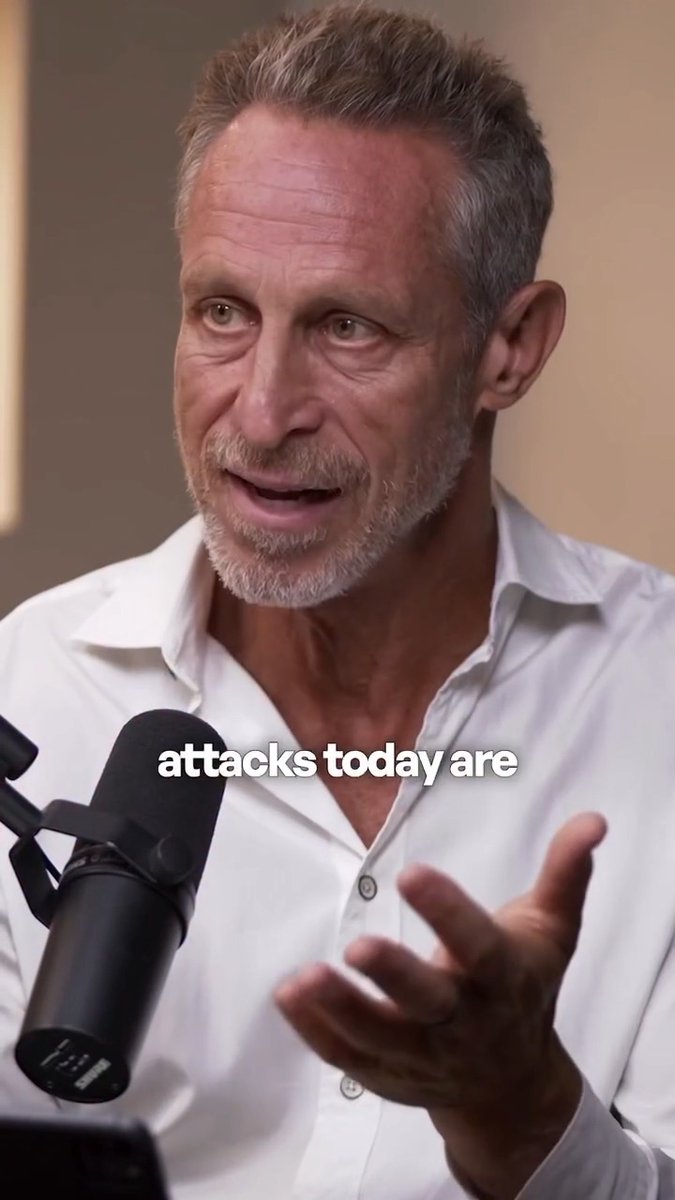
Your heart has four tiny doors that never sleep — opening and closing with such perfect rhythm that you don’t even notice they’re working. But these valves are the real architects of every heartbeat. Let’s walk through them in the exact sequence your blood travels: ⸻ 1️⃣ Aortic Valve... show more

39,049 views • 8 months ago •via X (Twitter)
0 Comments
No comments available
Comments from the original post will appear here


![#รักปากแข็งEP1 #SWSHGL #รักปากแข็ง #เฟเมษ์ #FayMay #fay_riezz #maywyda #MBKxFayMaySWSHGL [𝗜𝗻𝘁𝗲𝗿𝗳𝗮𝗻 𝗦𝗾𝘂𝗮𝗱 - 𝗣𝗿𝗲𝗺𝗶𝗲𝗿𝗲 𝗙𝗮𝗻 𝗣𝗿𝗼𝗷𝗲𝗰𝘁] 。˚♡ From day one, we've been cheering you on from every corner of the globe. We are the fans who have been with you from day one, through every dream, every challenge, and every triumph. We believed in you then, and we believe in you now more than ever. This journey you've embarked on is your own, but you are not alone. To celebrate this new chapter, we've put together a money bouquet to wish you all the success in the world.. We've also poured our hearts into a special book for you, one that is truly a labor of love. This project is special because of the collective love it represents from your fans all over the world. It’s filled with letters and art, with many of us staying up late and literally pouring our blood, sweat, and tears into it. Every penny, every late night, every single drawing and letter—it’s all for you. This wouldn't have been possible without the generous donations from so many fans around the world. So, a huge thank you to everyone who contributed!](https://image.24vids.com/tw-1954486849743065233/amplify_video_thumb/1954486312641396736/img/WHGj9oc-MeosZ_1N.jpg)


!["Jesus was not murdered but died voluntarily for your sins" In short, without Jesus' death on the cross for our sins, none of us would have eternal life. Jesus Himself said, "I am the way, the truth, and the life. No one comes to the Father except through Me" ( John 14:6 ). With this statement, Jesus explains the reason for His birth, death, and resurrection—to pave the way to heaven for sinful humanity, who could never reach it on their own. When God created Adam and Eve, they were perfect in every way and truly lived in a paradise, the Garden of Eden ( Genesis 2:15 ). God created humanity in His image, meaning that humans also had the freedom to make their own decisions and choices. Genesis 3 then describes how Adam and Eve succumbed to Satan's temptations and lies. In doing so, they disobeyed God's will by eating from the tree of knowledge, which they were forbidden: “And he [God] commanded him [Adam], ‘You may freely eat of every tree in the garden; but of the tree of the knowledge of good and evil you must not eat of it, for when you eat of it you will surely die’” ( Genesis 2:16-17 ). This was the first sin committed by man, and as a result, all people—because of the sinful nature inherited from Adam—are subject to not only physical death but also an eternal, spiritual death. God declared that all who sin will die, both physically and spiritually. This is the fate of all humanity. But in His grace and mercy, God provided a way out of this dilemma in the form of the blood of His perfect Son shed on the cross. God declared, “Without the shedding of blood, there is no forgiveness” ( Hebrews 9:22 ), but through the shedding of blood, redemption is obtained. The Law of Moses ( Exodus 20:2-17 ) provided a way for people to be considered “sinless” or “righteous” in God’s sight—the offering of animals sacrificed for sin. But these sacrifices were only temporary, and were actually a foreshadowing of Christ’s perfect sacrifice, offered once for all on the cross ( Hebrews 10:10 ). This is why Jesus came and why He died: to become the ultimate and final sacrifice, the perfect offering for our sins ( Colossians 1:22 ; 1 Peter 1:19 ). Through Him, the promise of eternal life with God is made effective through faith for those who believe in Jesus “so that the promise might be given through faith in Jesus Christ to those who believe” ( Galatians 3:22) .These two words, "faith" and "trust," are essential to our salvation. Through our faith in the shed blood of Christ for our sins, we receive eternal life. "For it is by grace you have been saved, through faith—and this not from yourselves, it is the gift of God—not by works, so that no one can boast" ( Ephesians 2:8-9 ). Please feel free to connect with me on Telegram as well.](https://image.24vids.com/tw-2039611985801724096/ext_tw_video_thumb/2039611917623279616/pu/img/_H7aaR-D5mgioDUl.jpg)
