Video wird geladen...

Video konnte nicht geladen werden

Zur Startseite

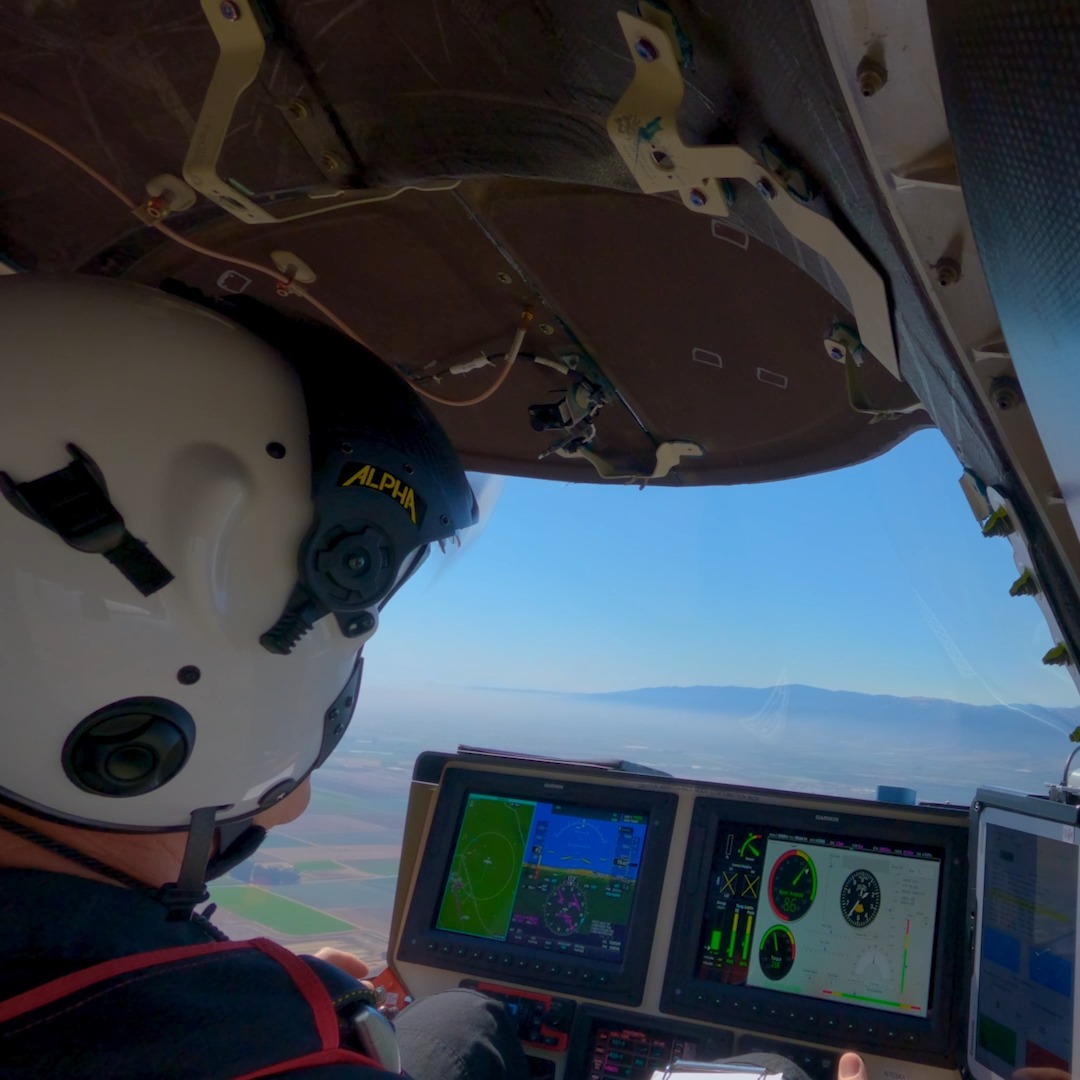
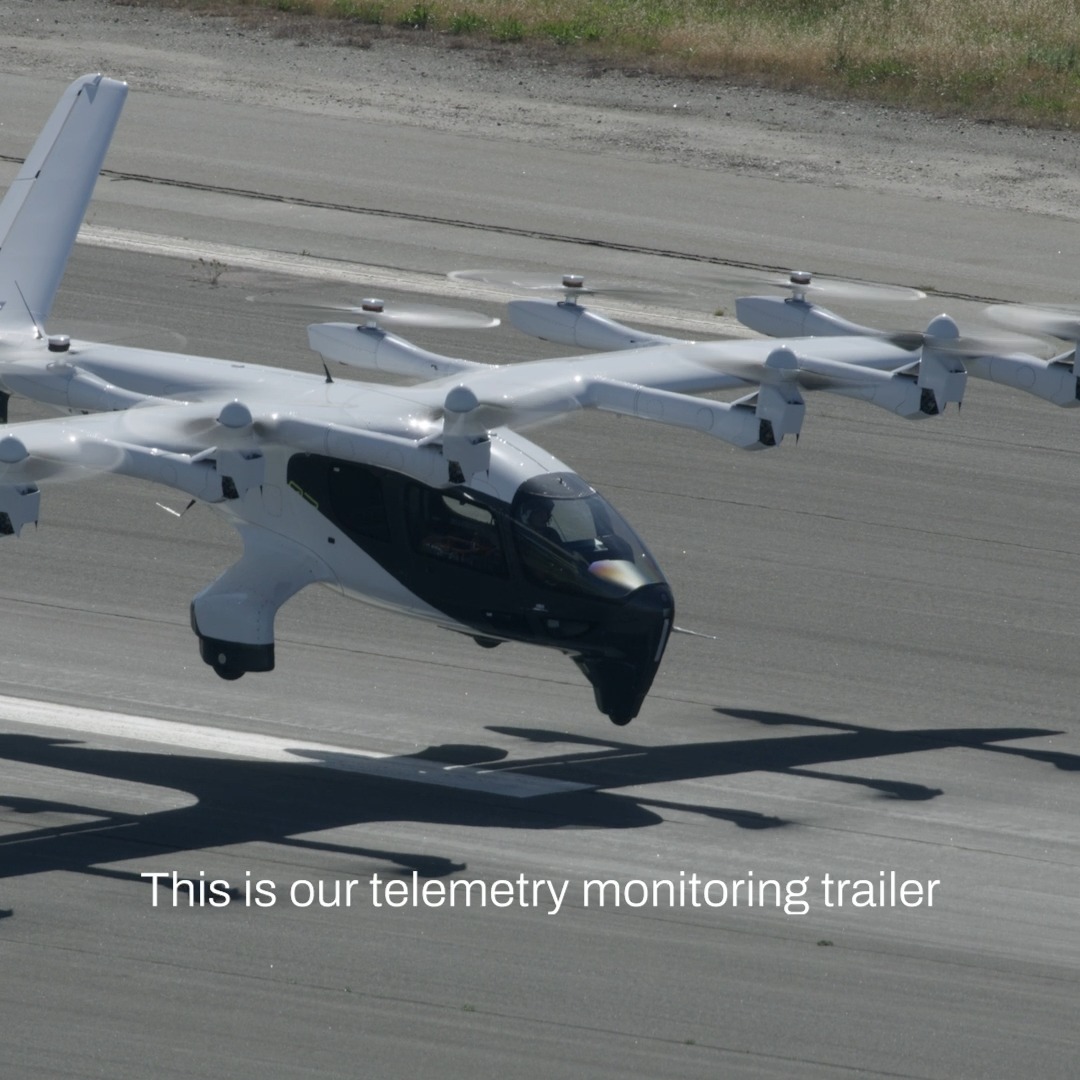
Archer aircraft are powered by advanced fly-by-wire systems. This means that flight computers act as an intermediary between the pilot and control surfaces, translating the pilot's commands to the aircraft's movement. This decreases workload on the pilot, reducing human error and freeing the pilot to focus on navigation and communication.

310,846 Aufrufe • vor 8 Monaten •via X (Twitter)

0 Kommentare

Keine Kommentare verfügbar

Kommentare vom Original-Post werden hier angezeigt

Ähnliche Videos

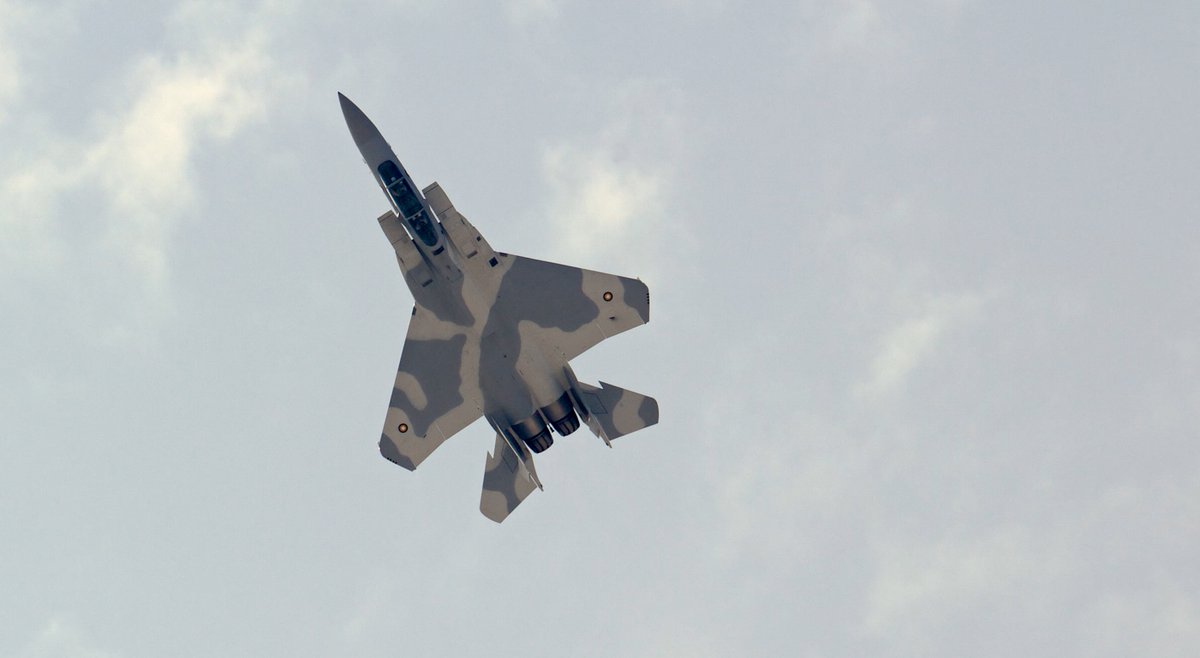
An F-22 test pilot who flew 76 different aircraft told MIT students something that sounds backwards: a Cessna is harder to fly than a $200,000,000 fighter jet His name is Randy Gordon, callsign Laz. 2 combat tours in Iraq and Afghanistan. MIT graduate, 2018. Test pilot - meaning fighter pilot and engineer at once, someone who understands MATLAB and flies aircraft that don't exist in any manual yet. His opening line to the class: everything you learn about a Cessna directly applies to the Raptor. There is no magic gap. Here's why the 2 aircraft look nothing alike. The Cessna's high wing sits above the cabin. Great visibility looking down. Terrible visibility looking through the wing during a turn. The wing works like an umbrella in the rain - convenient, not combat-relevant. The Raptor's wing sits behind the cockpit and sweeps backward. That gives the pilot full visibility forward and to the sides - critical in a dogfight where seeing the threat first decides the fight. The sweep also reduces wave drag at near-supersonic and supersonic speeds. Then the part that changes everything: the F-22 has no mechanical connection between the pilot and the control surfaces. The stick and pedals send commands to a computer. The computer decides how to move the surfaces and vector the thrust to execute what the pilot asked for. This is called fly-by-wire, and it's irreversible - meaning the computer's decision is the final decision. Different flight modes activate automatically. In air combat, a G-command mode holds exactly 4G even if the pilot releases the stick. Thrust vectoring is fully integrated - the system decides when to use it. The pilot never touches a separate switch. The power for all of this comes from 6 permanent magnetic generators. Even with both engines shut down, as long as the turbines keep spinning from airflow, the flight control system stays powered. The tradeoff for all this intelligence: Pilot Induced Oscillation. If the system's gain settings are wrong - especially during a configuration change like retracting the landing gear - the pilot can accidentally fight the computer and rock the aircraft into an oscillation it can't recover from. That's exactly what happened during a YF-22 prototype test flight. Incorrect gains after gear retraction, combined with afterburner engagement, brought the prototype down. The Cessna forces you to fly the aircraft directly - every mistake is yours, immediate, and mechanical. The Raptor removes that mechanical link and replaces it with a computer smart enough to hold 4G on its own. Which means the hardest part of flying it isn't the aircraft. It's trusting the system enough to let go of the stick.

vladuah

259,338 Aufrufe • vor 3 Monaten