Video yükleniyor...

Video Yüklenemedi

Ana Sayfaya Dön

Exercise outperforms medication in diabetes management. The largest study ever on diabetes prevention showed a lifestyle intervention with 150 minutes of weekly moderate-intensity exercise cut diabetes incidence by 39%, surpassing Metformin's effect. A 20-year follow-up revealed a 24% reduction in diabetes incidence and a 3.5-year increase in diabetes-free survival...

139,625 görüntüleme • 11 ay önce •via X (Twitter)

0 Yorum

Yorum bulunmuyor

Orijinal gönderinin yorumları burada görünecek

Benzer Videolar

BAN HQ Medical Committee presents Diabetic Awareness - World Diabetes Day 2024. World Diabetes Day is observed every year on November 14th, marking an important opportunity to raise awareness about diabetes and advocate for better prevention, diagnosis, and management of the disease. The day became an official United Nations (UN) day in 2006. This year’s theme, "Access to Diabetes Education," underscores the need for better information and resources to help prevent and manage diabetes effectively. The Medical Team of Brothers across Nigeria (BAN) worldwide is proud to recognize World Diabetes Day by supporting the established framework for diabetes education, which includes: 1. Learning and Knowledge Sharing. 2. Prevention. 3. Identification and Treatment. UNDERSTANDING DIABETES Diabetes is a disease that results from excess sugar in the blood, causing serious health problems over time. The Types of Diabetes: 1. Type 2 Diabetes: The most common form, accounting for about 90% of cases. It occurs when the body doesn’t use insulin effectively or doesn’t produce enough. 2. Type 1 Diabetes: An autoimmune condition, usually diagnosed in childhood, where the body cannot produce insulin. 3. Gestational Diabetes: Occurs during pregnancy and usually goes away after childbirth, but it increases the risk of developing type 2 diabetes later in life. 4. Prediabetes: A condition where blood sugar levels are higher than normal but not high enough to be considered type 2 diabetes. 1 in 3 adults has prediabetes, highlighting the need for early intervention and lifestyle changes. SYMPTOMS OF DIABETES The symptoms of diabetes vary, and some people (especially those with prediabetes, gestational diabetes, or type 2 diabetes) may not experience symptoms at all. In type 1 diabetes, symptoms usually appear quickly and are more severe. Common symptoms include: I. Increased thirst or urination II.Fatigue III. Blurry vision IV. Slow-healing sores or infections RISK FACTORS A variety of factors contribute to the risk of developing type 2 diabetes, including: Age and genetics, Lifestyle factors:, poor diet, lack of physical activity, and smoking increase the likelihood of developing diabetes. Social factors: Access to healthy food, healthcare, and safe spaces for exercise also play a significant role in managing and preventing diabetes. Race and Ethnicity: People from certain racial or ethnic backgrounds, including Black, Hispanic, American Indian, and Asian American populations, are at higher risk for type 2 diabetes. Discrimination and stigma: These factors can exacerbate the challenges faced by marginalized communities in managing diabetes. COMPLICATIONS When diabetes is not properly controlled, it can cause serious and even life-threatening complications, including Heart disease and strokes, Nerve damage (neuropathy), Kidney damage, Eye problems, Foot issues, Skin and mouth infections, Hearing loss, Memory issues, Depression and Anxiety. PREVENTION Preventing or delaying type 2 diabetes is possible through early lifestyle changes. The following strategies can help reduce the risk of developing diabetes: 1. Eat a Healthy Diet 2. Get Active 3. Maintain a Healthy Weight 4. Quit Smoking 5. Limit Alcohol Intake 6. Get Regular Checkups 7. Manage Stress 8. Sleep Well CONCLUSION World Diabetes Day is an important reminder of the growing global impact of diabetes and the urgent need for education, awareness, and action. This year’s theme highlights the critical need for better information and resources to prevent and manage the disease. By focusing on education, early detection, and lifestyle changes, we can work together to reduce the burden of diabetes and create a healthier future for all. #BANWorldwide, #BrothersAcrossNigeria #WorldDiabetesDay, #WDD2024, #DiabetesAwareness, #KnowYourNumbers, #DiabetesPrevention, #14November, #AccesstoDiabetesCare

Brothers Across Nigeria International

13,735 görüntüleme • 1 yıl önce

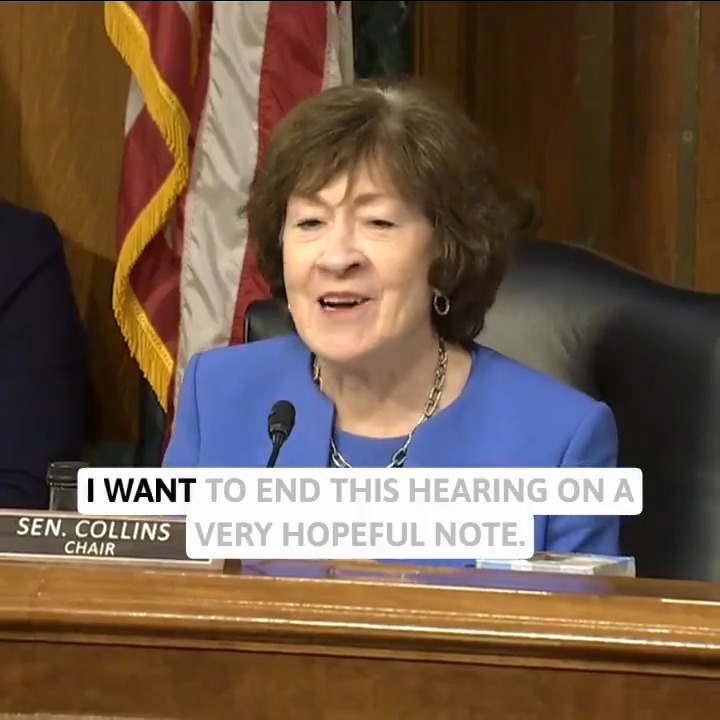
Today, more than 170 delegates from all 50 states and five countries were in Washington for the 2025 Breakthrough Type 1 Diabetes Children’s Congress. I was proud to chair a Senate Appropriations Committee hearing to welcome the delegates and focus on the importance of federal investment in Type 1 diabetes research. Senator Jeanne Shaheen and I — the founding co-chairs of the bipartisan Senate Diabetes Caucus — introduced legislation this week to reauthorize the Special Diabetes Program, a federal initiative that provides $160 million annually for Type 1 diabetes research and prevention. Thanks to this program and the tireless advocacy of Breakthrough T1D and its Children’s Congress Delegates, we are seeing life changing breakthroughs in the fight against this terrible disease. Some of these developments include the now widely used continuous glucose monitors, the first FDA-approved artificial pancreas, and a groundbreaking clinical trial in which 10 of the 12 participants no longer need insulin to manage their diabetes because of a stem cell-based therapy. Since the founding of the Senate Diabetes Caucus in 1997, federal funding for diabetes research has increased from $319 million to more than $2.3 billion annually. I want to thank our outstanding witnesses for today’s hearing: Ruby Whitmore of Old Town, Maine, Rachel White of North Hampton, New Hampshire, Katie Bone of Bernalillo, New Mexico, and Dr. Griffin Rodgers, Director of the National Institute of Diabetes and Digestive and Kidney Diseases (NIDDK). Their passionate testimony highlighted both the daily realities of living with type 1 diabetes and the vital role of continued federal research through agencies like the NIDDK. Finding a cure for Type 1 diabetes remains our ultimate goal and has been one of my highest priorities since the very beginning of my Senate service. With continued advocacy, bipartisan support, and strong federal investment, I am confident that day will come.

Sen. Susan Collins

12,348 görüntüleme • 1 yıl önce

The current physical activity guidelines undervalue vigorous activity. Vigorous activity may be 4–9× more potent than moderate activity for reducing all-cause mortality, cardiovascular disease, diabetes, and cancer risk. The exercise guidelines assume a 2:1 ratio between moderate- and vigorous-intensity activity: two minutes of moderate activity equals one minute of vigorous. That's why the recommendations are 150–300 minutes of moderate or 75–150 minutes of vigorous activity each week. But new data suggest that ratio is wrong. In this brand-new journal-club episode, Brady Holmer (Brady Holmer) and I unpack a groundbreaking study that should change how we think about activity for disease prevention. The research identified that 1 minute of vigorous activity is roughly equivalent to 4–9 minutes of moderate activity, and 53–94 minutes of light activity, for disease risk reduction. It also shows a clear dose-response for vigorous activity that’s much weaker for moderate activity and barely detectable for light activity. We also do a deep dive into why vigorous activity is so powerful, the underlying mechanisms, and discuss practical takeaways, including how even very brief bouts of vigorous movement (think “exercise snacks”) can produce meaningful health benefits. Timestamps are below. You can find links to the episode on YouTube, Apple Podcasts, and Spotify in the next post. Enjoy! Timestamps: 0:00 - Introduction 2:14 - The 1:2 rule for exercise 6:28 - What counts as vigorous? 8:48 - Where exercise guidelines fail 9:32 - Inside the wearable-based study design 15:24 - Vigorous activity—easier than you think? 18:01 - Avoiding healthy user bias 19:12 - A better way to measure exercise 20:58 - Is vigorous 4–10x better? 25:08 - One vigorous min vs. one-hour walk 27:15 - Are light activity's benefits capped? 29:03 - Is vigorous 5x better for your heart? 30:12 - Does zone 2 count as vigorous? 31:24 - Dose-response comparison 32:35 - Vigorous exercise & younger arteries 38:29 - Why aging hearts need intensity 41:22 - Can intensity preserve VO₂ max? 42:40 - Moderate exercise & VO₂ max limits 44:34 - Is vigorous 10x better for diabetes? 51:01 - Why intensity boosts mitochondria 56:11 - Does intense exercise kill tumor cells? 1:02:28 - Hormonal benefits 1:03:19 - Preventing falls with intensity 1:07:49 - Fighting inflammation 1:09:42 - High-intensity training & brain aging 1:11:14 - The 2:1 ratio is out the door 1:13:03 - Could vigorous exercise become a pill? 1:14:21 - Short bursts for longer life 1:18:28 - Can short bouts match full workouts? 1:22:39 - Do wearables undervalue vigorous bursts? 1:25:19 - Can micro-workouts replace the gym? 1:30:23 - Updating exercise guidelines 1:41:48 - Is light activity useless? 1:44:17 - Is vigorous exercise safe for seniors? 1:48:41 - Is HIIT harmful to female hormones? 1:54:18 - Balancing intensity & recovery (80/20 rule) 1:56:43 - Brady’s exercise routine 2:00:30 - Vigorous activity & kids’ brainpower 2:03:27 - Are we undervaluing vigorous exercise? 2:05:16 - Why chasing steps doesn't work

Dr. Rhonda Patrick

306,189 görüntüleme • 8 ay önce