Loading video...

Video Failed to Load

Go Home

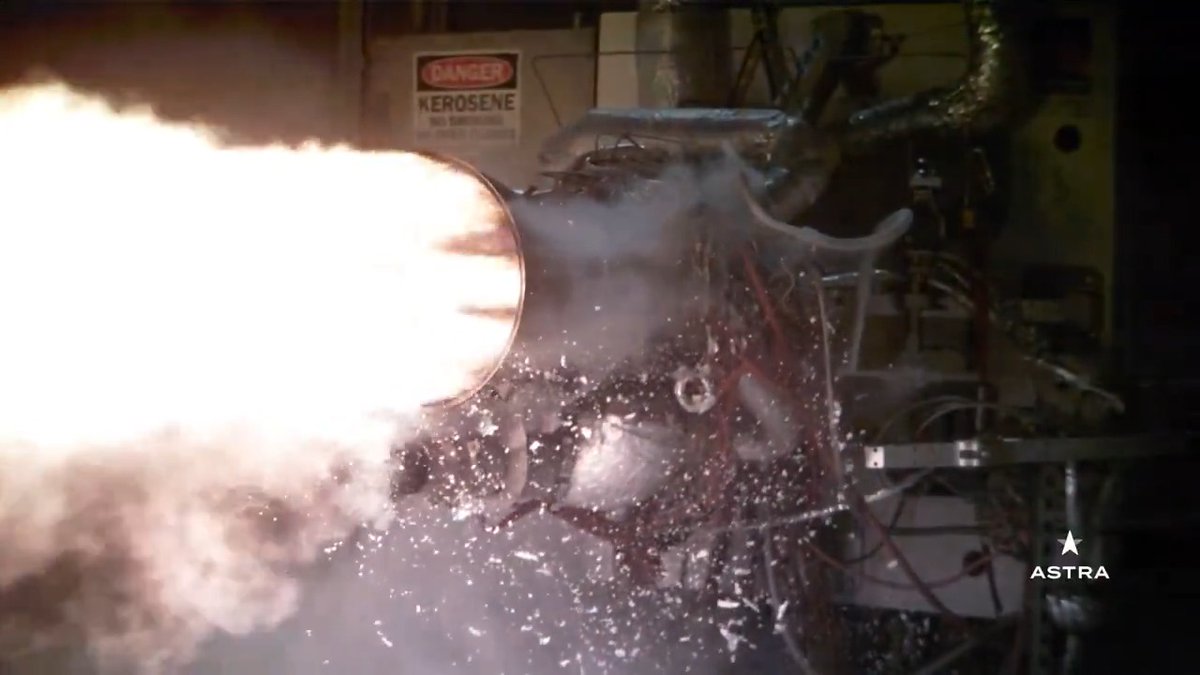
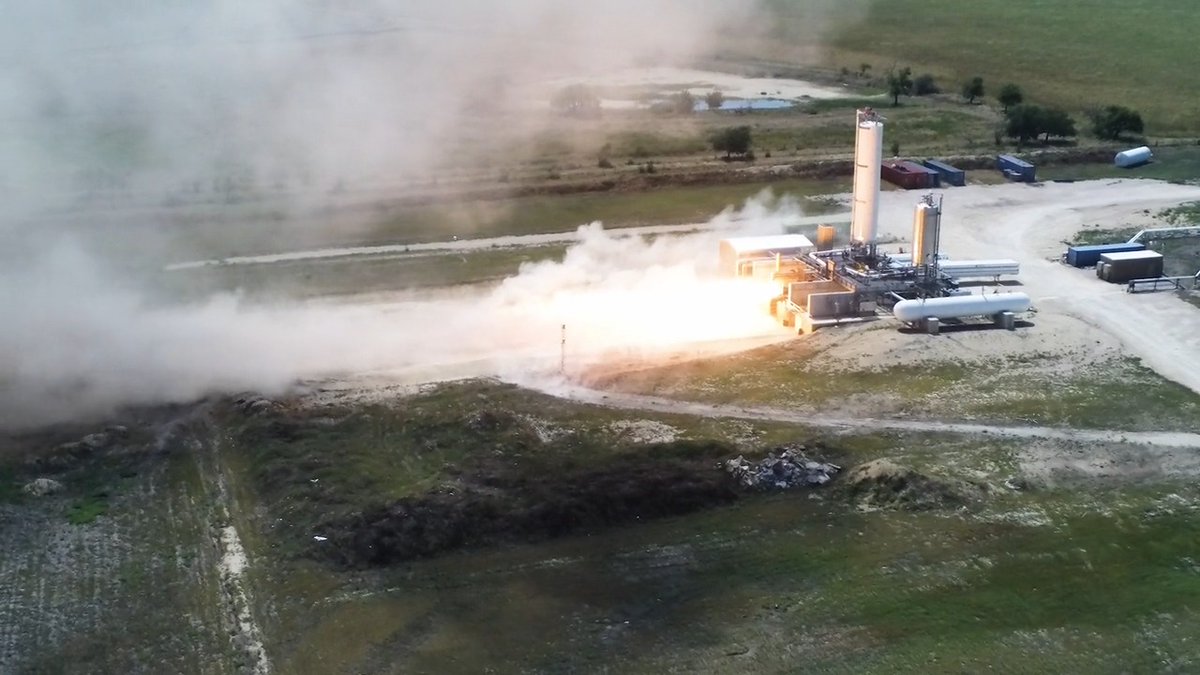
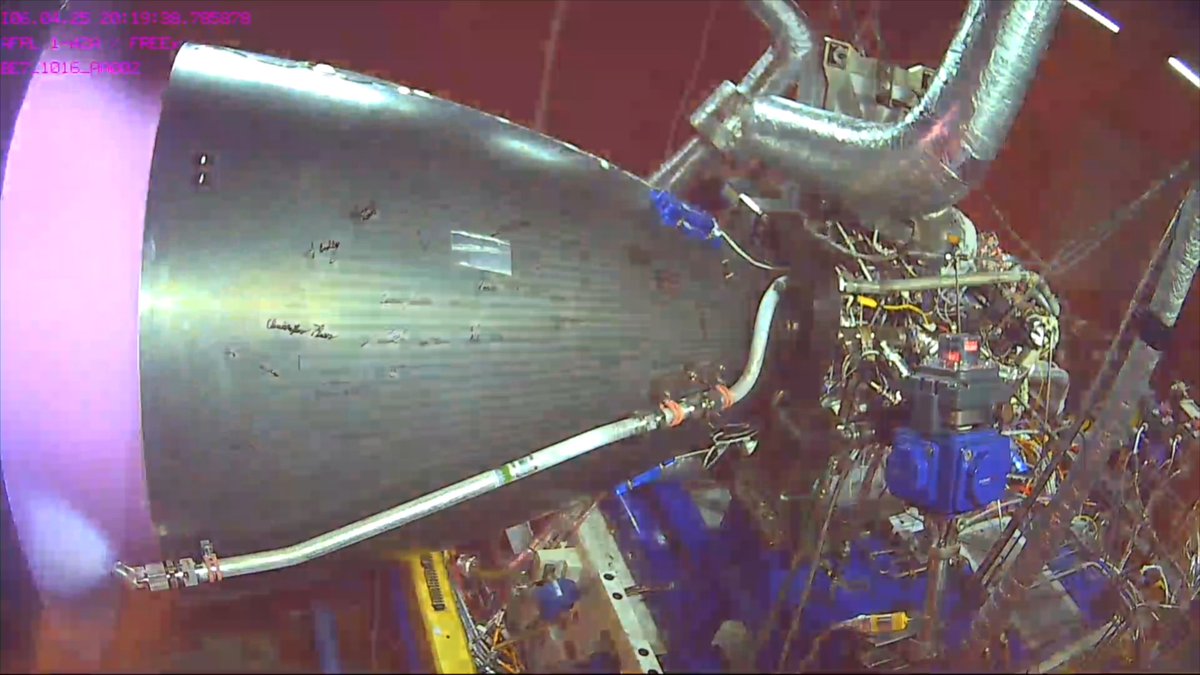
In a recent hotfire our BE-3U engine reached more than 211,500 lbf thrust. That makes BE-3U the highest thrust-to-weight hydrogen engine in history, at more than 90! Here is the video of that test for your enjoyment.

436,960 views • 9 months ago •via X (Twitter)

0 Comments

No comments available

Comments from the original post will appear here

Related Videos

This is the most powerful commercial jet engine currently flying on an operational airliner. The GE90-115B was built by GE Aerospace specifically for the Boeing 777-300ER. It weighs around 8.3 tonnes, has a 3.25 metre wide fan and produces up to 512 kN (115,000 lbf) of thrust from a single engine. To understand the sheer scale of that output, it produces roughly 2.7 times the thrust of the F135 jet engine powering the F-35, the most powerful fighter engine currently in service. The enormous fan at the front uses just 22 carbon fibre composite blades with titanium leading edges. At maximum thrust, it pulls in roughly 1.4 tonnes of air every second, with nearly 90% bypassing the core rather than passing through the combustor. At around 150 knots during takeoff, its 512 kn of thrust corresponds to roughly 39.5 MW of propulsive power, or in automotive terms around 53,000 hp from one engine. And it burns roughly 4-5 kg of jet fuel every second at maximum power conditions. Two of these engines are enough to power a fully loaded 777-300ER weighing more than 350 tonnes. Even if one engine fails after the critical point during takeoff, the aircraft is certified to continue the takeoff and climb on the remaining one GE90 engine. Each engine costs around $35-40 million. More than 2,500, GE90s engines have been built, and the GE90 family has accumulated nearly 130 million flight hours. And this is precisely why companies like GE Aerospace remain so difficult to displace in jet engines. There is never one breakthrough. GE spent roughly $2+ billion developing the GE90, chasing small gains across hundreds of systems, efficiency, materials, reliability and component life.

Ammanichanda

42,754 views • 1 day ago