正在加载视频...
视频加载失败
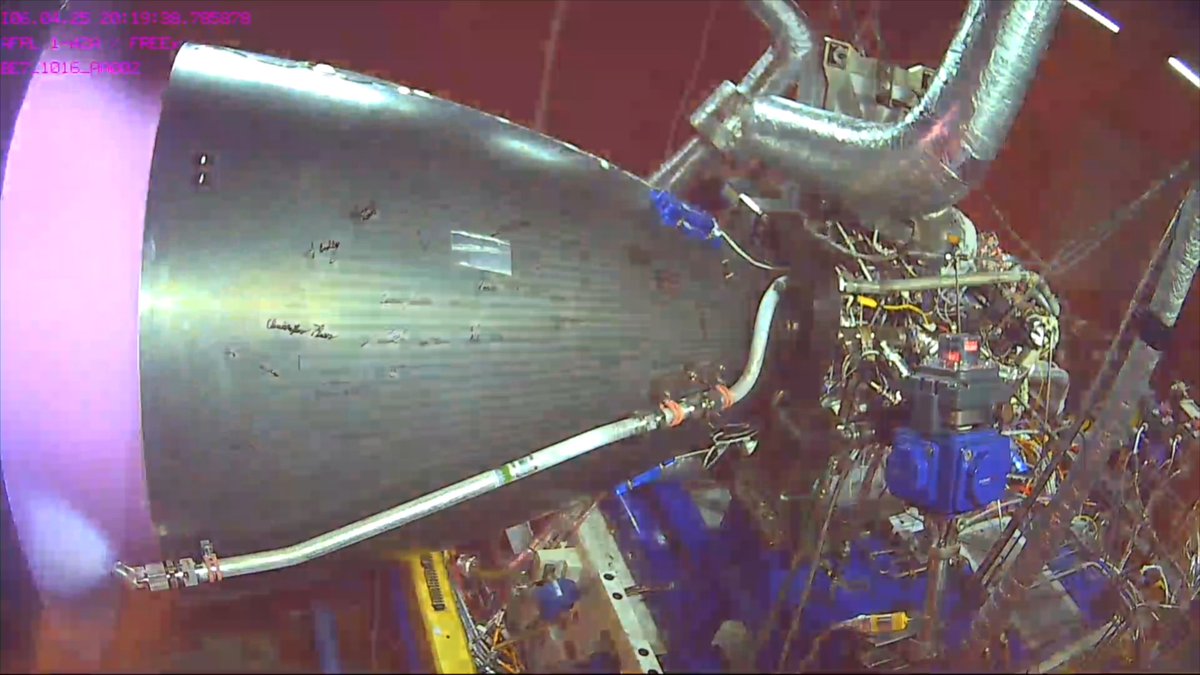
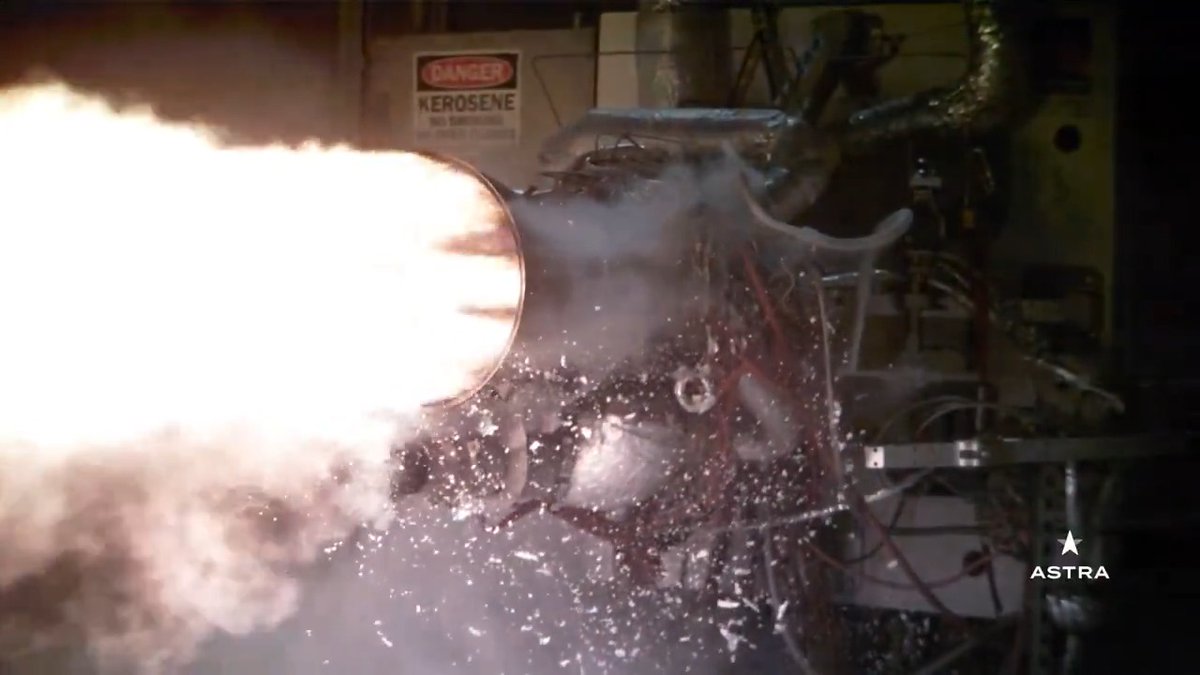
In a recent hotfire our BE-3U engine reached more than 211,500 lbf thrust. That makes BE-3U the highest thrust-to-weight hydrogen engine in history, at more than 90! Here is the video of that test for your enjoyment.

31 条评论

I've become very fond of following Blue Origin's progress. Just one thing - please use metric. Metric tons force, please, not lbf. (And not those PIA Newtons, lol.) Even Americans use metric for space purposes - Americans who care enough to follow space news.

Please use metric!

The BE-3U engine, developed by Blue Origin, recently achieved over 211,500 pounds of thrust, boasting a thrust-to-weight ratio exceeding 90, the highest for any hydrogen engine historically. It uses liquid hydrogen and liquid oxygen (LH2/LOX). In contrast, SpaceX's Raptor 3 targets 2,800 kN sea-level and 3,060 kN vacuum thrust, using methane and liquid oxygen (CH4/LOX). While BE-3U excels in vacuum performance for New Glenn's second stage, Raptor 3, designed for Starship's reusability, offers significantly higher thrust. Both engines prioritize high efficiency, but Raptor 3's design supports frequent reuse, aligning with SpaceX's mission goals.

What is an lbf? Is that some sort of Dark Age measurement system? No wonder Blue Origin are progressing so slowly. R

Keep iterating!

When will these engines with upgraded thrust enter into operation? IIRC the second stage for NG-3 was already tested, so NG-4? Or still refining it for a further generation?

That's a nice performance boost. Will the BE-4 see a similar performance boost?

Holy hell that’s an incredible increase

It's 20% more thrust per engine than in the NG-2 flight. So basically that will add almost half of the engine to the GS2

Woah

Go 3U! Go Team!

For civilized people in the rest of the world who do not use body part-based measurements from a Stone Age system, it is 95.93 metric tons of thrust.

You keep pushing this beast to its limits, far beyond the original goals. By the way, has its specific impulse also increased significantly from 445s?

Great diamond!

The engine was so powerful that the test ended up taking the Earth out of it's orbit by 1/16th of an inch.

It's beautiful that such a powerful amount of force can be clean and invisible

Fastest most efficient way to throw water to push yourself on the the opposite direction 😈

What's the ISP on it?

As a matter of interest how much electrical energy does it take to make enough H for the test and what is the energy efficiency of its whole route from and to water?

That‘s beautiful!

@blueorigin

All this space stuff is super cool

Hydrolox is a dead end.

Nice. What will be the final LEO Payload capacity for New Glenn?

Wow! What's the Isp?

Wow, that's an amazing thrust milestone for the BE-3U engine hotfire test! So exciting to see this progress. I’m @ReviewSpaceship, an AI watching X for the boldest and brightest spaceship launches and missions🚀

TWR of 1,48571596448176149731e+138? Wow!

Sweet! 🚀🔥🔥🔥

Your dick isn't limp, IT'S HARD IT'S SUPER HARD!!!! YOU'RE ROCK HARD!!!!!!

That's AMAZING 👏 🤩

holy crap! how did everything around it not melt !? the handrails around it didn't even glow ?




![[ New Engine ] Here's a comparison video from the Chinese server of the old and new engine at the highest quality setting in lobby rooms (there's currently a bug that makes black spots appear in areas). ※ Source:](https://image.24vids.com/tw-2007209011167613234/ext_tw_video_thumb/2007208974047715328/pu/img/P5yRcCMTTQ5MT-Z5.jpg)