Video wird geladen...

Video konnte nicht geladen werden

Zur Startseite

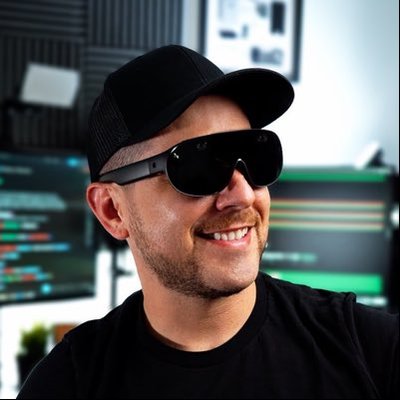
📣 This solo developer who currently works at Pixar as a Technical Director is building a VR rhythm game called Sock Puppet Superstar for Quest as an indie project, and over the last week he has been going viral on TikTok! 🤖Features/Tech: - Using Unity, OpenXR, hand tracking, and...

150,197 Aufrufe • vor 2 Monaten •via X (Twitter)

0 Kommentare

Keine Kommentare verfügbar

Kommentare vom Original-Post werden hier angezeigt

Ähnliche Videos

📣 I talk a lot about Meta SDKs because I spend a lot of time with these tools. But also when someone asks me what VR/MR tools they can use for cross platform support, I recommend 𝗨𝗻𝗶𝘁𝘆’𝘀 𝗫𝗥 𝗧𝗼𝗼𝗹𝗸𝗶𝘁 which provides: - 𝗖𝗿𝗼𝘀𝘀-𝗽𝗹𝗮𝘁𝗳𝗼𝗿𝗺 𝘀𝘂𝗽𝗽𝗼𝗿𝘁: Meta Quest, OpenXR, Windows Mixed Reality, + more - 𝗜𝗻𝘁𝗲𝗿𝗮𝗰𝘁𝗶𝗼𝗻𝘀: Hover, select, grab - 𝗙𝗲𝗲𝗱𝗯𝗮𝗰𝗸: Haptic + visual tint/line for possible & active interactions - 𝗨𝗜: Canvas interaction via XR controllers - 𝗨𝘁𝗶𝗹𝗶𝘁𝗶𝗲𝘀: XR Origin support for stationary & room-scale VR - 𝗫𝗥 𝗛𝗮𝗻𝗱𝘀: this is an extended package to support more advanced hand tracking interactions 👉 Also, it supports 𝗔𝗥 𝗳𝗼𝗿 𝗺𝗼𝗯𝗶𝗹𝗲 𝗳𝗲𝗮𝘁𝘂𝗿𝗲𝘀 𝘁𝗵𝗿𝗼𝘂𝗴𝗵 𝗔𝗥 𝗙𝗼𝘂𝗻𝗱𝗮𝘁𝗶𝗼𝗻, the features are: - 𝗔𝗥 𝗴𝗲𝘀𝘁𝘂𝗿𝗲 𝘀𝘆𝘀𝘁𝗲𝗺: Maps screen touches to Input System gesture events via TouchscreenGestureInputController - 𝗦𝗰𝗿𝗲𝗲𝗻-𝘀𝗽𝗮𝗰𝗲 𝗶𝗻𝗽𝘂𝘁: Feeds touch data into XRRayInteractor for AR interaction - 𝗔𝗥𝗧𝗿𝗮𝗻𝘀𝗳𝗼𝗿𝗺𝗲𝗿: Converts place, select, translate, rotate, scale gestures into object manipulation 👨‍💻 And to emulate your apps/games without physical devices I recommend the following: - 𝗫𝗥 𝗗𝗲𝘃𝗶𝗰𝗲 𝗦𝗶𝗺𝘂𝗹𝗮𝘁𝗼𝗿 for VR/MR to test your interactions - 𝗔𝗥 𝗙𝗼𝘂𝗻𝗱𝗮𝘁𝗶𝗼𝗻 𝗥𝗲𝗺𝗼𝘁𝗲 𝟮.𝟬 for AR Foundation testing, this allows you to remotely test all the AR features by connecting the Unity editor to your physical device (iOS or Android) 💡 Are you using Unity’s XR Toolkit? ISDK? any other toolkit?

Dilmer 👓

12,943 Aufrufe • vor 2 Monaten

For the past five years, I have been working on building a company I truly believe has the power to disrupt Hollywood and empower indie artists. It’s called LOOR TV, pronounced like “Folklore.” The goal is simple: Allow pure indie creators to pitch their dream projects directly to paying monthly subscribers. Instead of the monthly subscription dollars going to executives who control gatekeeping and influence, we let the monthly subscribers fund indie artists directly. Our focus is on good stories that mainstream Hollywood would reject. Your monthly subscription converts into weekly amounts of our own in-game-style currency, which creators can cash out to fund their projects. When a project is fully funded and completed, it streams on the platform. Of course, you can always directly fund artists without a monthly subscription. The point is that the audience builds the streaming library. The audience is the rightful gatekeeper. We’ve proven this patronage streaming model allows us to make more money per subscriber than Netflix or Disney+ can per month. It also gives us the least risk of any entertainment company because all content is funded by the audience, not multi-million-dollar checks written by executives making big bets in advance. Our company profits via each transaction. Exactly like most video game currency stores. Gamification brings in more revenue than Hollywood. And younger generations are familiar with how that works already. The goal is not to make multi-million-dollar box office films, but to incubate a new underground counterculture to Hollywood. The same indie culture that built MTV, Channel 101, and Adult Swim. It gives new artists, whether they are traditional or AI filmmakers, animators, comedians, or video game designers, a way to pitch their projects directly to real people, not algorithms. A way for artists to retain creative control. We’ve been testing this for a while. Our CEO, Shon Tomlin, built FUEL TV for Fox Cable Networks and is no stranger to indie filmmaking and monetizing subcultures. I truly believe this is the way forward: directly putting people who love films in front of people who love making them, and letting the audience choose where their money goes. We’re very early and have lots of plans for how to use this new gamified streaming platform. We have an incredible team, but we need help spreading the word and proving that people believe in this model so we can raise capital to focus on scaling this full-time. Here’s a preview of everything we’ve premiered and pitched to our audience so far. We are just getting started.

Marcus Pittman

16,992 Aufrufe • vor 2 Monaten

Build and customize complex AI applications with a flexible framework in this new short course, Building AI Applications with Haystack. Created in collaboration with deepset, makers of Haystack, and taught by Tuana, who is the developer relations lead for Haystack at deepset. Generative AI technology is changing rapidly and it can be challenging to integrate APIs from different LLMs, vector databases, and various tools such as web search. In this course, you will learn how to use the Haystack framework to make your development process more modular, allowing you to manage complexity and focus more on building your application. In detail, you’ll: - Build a RAG pipeline using Haystack’s main building blocks – components, pipelines, and document stores. - Create custom components in your pipeline by building a Hacker News summarizer that extends your app’s ability to access APIs. - Use conditional routing to create a branching pipeline with a fallback to web search mechanism when the LLM does not have the necessary context to respond to the user's query. - Build a self-reflecting agent for named entity recognition that loops using an output validator custom component. - Create a chat agent using OpenAI's function-calling capabilities which allow you to provide Haystack pipelines as tools to the LLM, enhancing that agent's capabilities. By the end of this course, you will learn a high-level orchestration framework that can help make your applications flexible, extendible, and maintainable, even as the technology stack changes, new user needs arise, and you add new features to your application. Please sign up here:

Andrew Ng

53,788 Aufrufe • vor 1 Jahr