Загрузка видео...
Не удалось загрузить видео
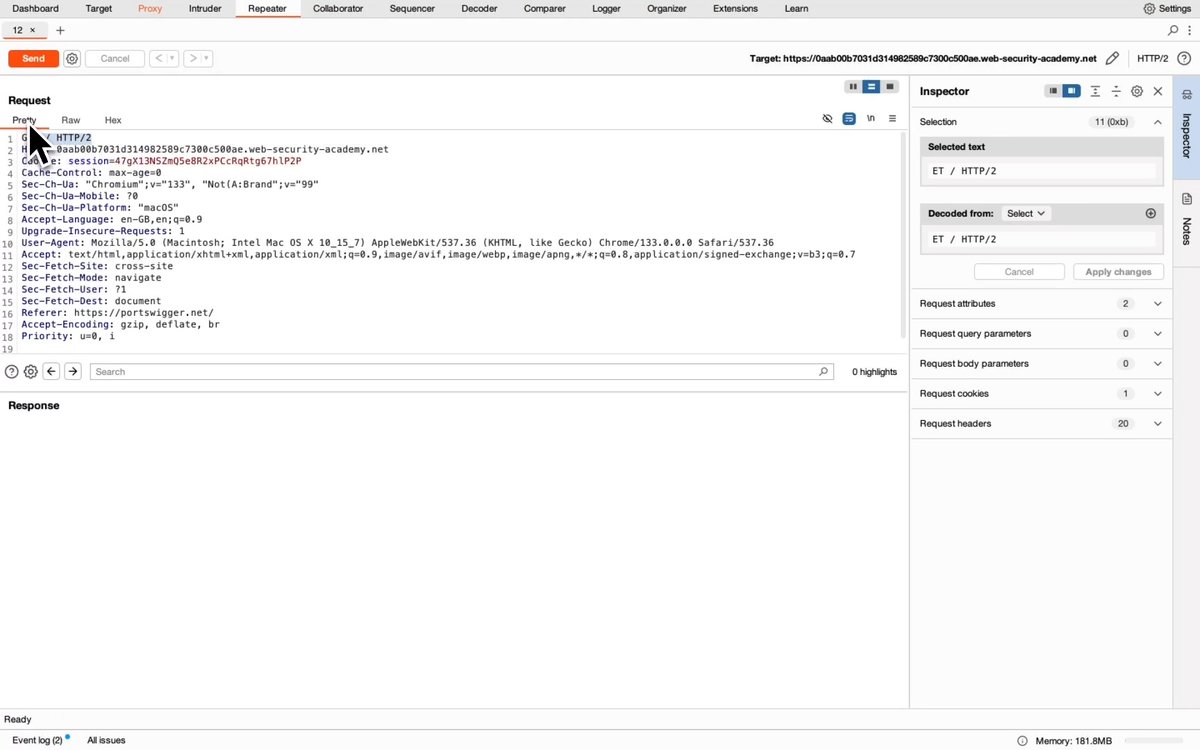
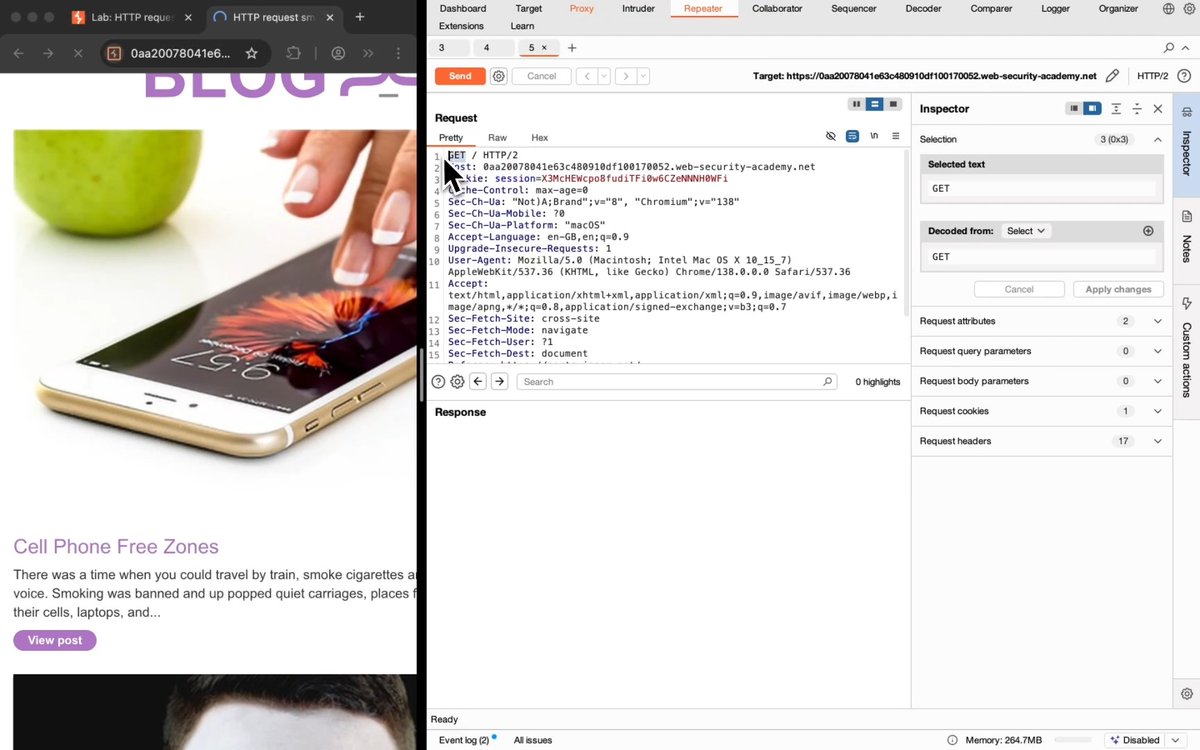
What is HTTP Downgrading, why use it, and how does it work? HTTP/2 is default for most web apps these days, however, it's not uncommon for backend servers to still use HTTP/1.1 causing parsing mismatches between frontend and backend. And that's where HTTP downgrading comes in! But what is... show more

62,874 просмотров • 1 год назад •via X (Twitter)
Комментарии: 6

Jin1 год назад
.

UserInterface3 лет назад
What is Web3? The Next Evolution of the Internet #tech #news

Priesthood emmanuel 🪔1 год назад
@TweetHelperBot download this please

𐌌Ꝋᒍ𐌉𐌀1 год назад
Hmmmm , me : edit by my hands and delete HTTP/2 to HTTP/1.1 , please use your hands

Aman Hasan1 год назад
very usefull :)

Ali Essam1 год назад
what is the impact?




![How to Find Path Delimiter Issues with Burp Suite Intruder Sometimes web servers treat special characters (like ; or ?) differently in URLs. This can lead to security issues like web cache deception or access control problems. Here's how you can test for path delimiter discrepancies: 1️⃣ Capture the Request Find a request you want to test GET /my-account HTTP/2 2️⃣ Right click the request and "Send to Intruder". In Intruder, highlight add a new position after /my-account followed by abc. It should look like this: GET /my-account§§abc HTTP/2 Attack Type = Sniper (only changing one spot). Payload: Paste a list of special characters, like this: ! # $ % & ' ( ) * + , - . / : ; = ? @ [ \ ] _ ~ ... A full list of delimiters can be found here: 3️⃣ Start the Attack Press Start Attack. Look at the Status, Length, and Response columns. Watch for differences (like bigger/smaller pages, changes to status code or different behavior) and if you notice something different then you've likely found a delimiter discrepancy! 🎉 Why is this important? When special characters confuse the server or cache, you might find: 🔸 Web cache deception: Caching personal pages by accident 🔸 Access bypass: Skipping security checks 🔸 Leaked info: Seeing data you shouldn't Try this lab for yourself and dive even deeper into how to exploit this when you find it: #BugBounty #WebSecurity #BurpSuite #EthicalHacking #Cybersecurity](https://image.24vids.com/tw-1919142786885943404/media/GqIqLRLXIAAdsLM.jpg)