Загрузка видео...

Не удалось загрузить видео

На главную

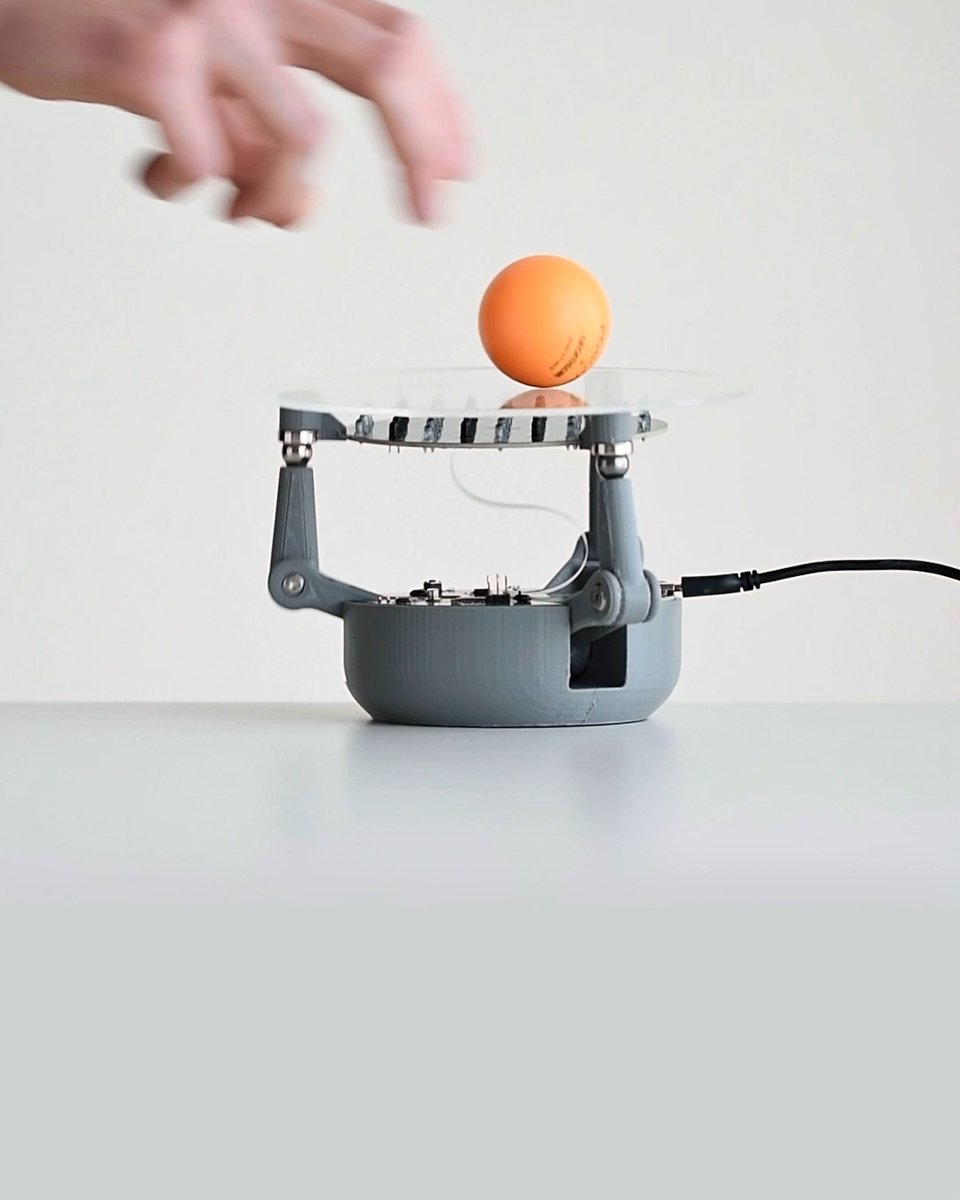
BaBot: A Ball-Balancing Robotics Kit BaBot is a do-it-yourself ball-balancing robot kit designed as a hands-on platform for learning robotics and control systems. It enables users to explore concepts such as PID control, sensors, actuators, and software integration through practical experimentation. The kit is intended for students, makers, and...

25,314 просмотров • 6 месяцев назад •via X (Twitter)

Комментарии: 0

Нет доступных комментариев

Здесь появятся комментарии из оригинального поста

Похожие видео

As a newly appointed 𝗔𝘀𝘀𝗶𝘀𝘁𝗮𝗻𝘁 𝗣𝗿𝗼𝗳𝗲𝘀𝘀𝗼𝗿 at Imperial College London, I'm thrilled to announce the 𝗦𝗮𝗳𝗲 𝗪𝗵𝗼𝗹𝗲-𝗯𝗼𝗱𝘆 𝗜𝗻𝘁𝗲𝗹𝗹𝗶𝗴𝗲𝗻𝘁 𝗥𝗼𝗯𝗼𝘁𝗶𝗰𝘀 𝗟𝗮𝗯 (𝗦𝗪𝗜𝗥𝗟) at 𝗜𝗺𝗽𝗲𝗿𝗶𝗮𝗹 𝗖𝗼𝗹𝗹𝗲𝗴𝗲 𝗟𝗼𝗻𝗱𝗼𝗻. 𝗦𝗮𝗳𝗲 𝗪𝗵𝗼𝗹𝗲-𝗯𝗼𝗱𝘆 𝗜𝗻𝘁𝗲𝗹𝗹𝗶𝗴𝗲𝗻𝘁 𝗥𝗼𝗯𝗼𝘁𝗶𝗰𝘀 𝗟𝗮𝗯 (𝗦𝗪𝗜𝗥𝗟) ( is a new research lab focused on the intersection of safety and intelligence in next-generation robotics. We're hiring exceptional PhD students who are passionate about pushing the boundaries of robot learning. 𝗪𝗵𝗮𝘁 𝗺𝗮𝗸𝗲𝘀 𝗦𝗪𝗜𝗥𝗟 𝘂𝗻𝗶𝗾𝘂𝗲? We operate at the exciting convergence of: • Online & offline reinforcement learning • Imitation learning & human demonstrations • Sample-efficient learning methods • Whole-body and soft robotics systems We're 𝗹𝗼𝗼𝗸𝗶𝗻𝗴 𝗳𝗼𝗿 𝗽𝗿𝗼𝘀𝗽𝗲𝗰𝘁𝗶𝘃𝗲 𝗣𝗵𝗗 𝘀𝘁𝘂𝗱𝗲𝗻𝘁𝘀 interested in: • Developing safe exploration algorithms for robotic systems • Creating sample-efficient learning methods that minimize real-world trials • Building foundation models for robotics with safety guarantees • Advancing soft robotics and compliant human-robot interaction • Bridging theory and practice in embodied AI Why now? As robots become more capable and work closer with humans, we need systems that are both intelligent enough to handle complex tasks 𝗔𝗡𝗗 safe enough for real-world deployment. Traditional approaches treat safety and intelligence as competing priorities, we believe they're synergistic. If you're a motivated researcher who wants to develop the theoretical foundations and practical algorithms for tomorrow's safe, intelligent robots, I'd love to hear from you. Want to join? Apply via

Stephen James

16,605 просмотров • 10 месяцев назад

Something big is happening in robotics - and it’s hiding in plain sight. This post is not about dancing robots but in the data that powers them. Open robotics datasets have exploded this year, turning the field into a more scalable and collaborative ecosystem. In just two years, Hugging Face datasets grew from 11k to over 600k - and robotics is by far the fastest-growing segment. We went from 1k robotics datasets in 2024 to 27k in 2025! For comparison, text generation, the second-largest category, has only around 5k datasets in 2025. That gap is massive. Open datasets are important because robotics lives and dies by real-world robot data - video, actions, sensors, failures. By making this data easy to upload, reuse, and benchmark, researchers, startups, and large players are now releasing real-robot datasets that would have stayed locked inside labs just a few years ago. Major contributors include NVIDIA, LeRobot initiative, and a rapidly growing maker community. This surge is also enabled by cheaper video storage, better tooling, and an open-source AI culture now spilling into the physical world. And it really matters: open robotics data dramatically lowers entry barriers, accelerates learning-by-doing, and speeds up progress toward generalist and humanoid robots. Robotics won’t scale through hardware alone - but to a large extent through shared data. Viz below from AI World - link to the story and more viz/filters in comment.

Pierre-Alexandre Balland

186,061 просмотров • 7 месяцев назад

🚨 BREAKING: NVIDIA just announced the Isaac GR00T Reference Humanoid Robot. The first fully open humanoid robot reference design built on Jetson Thor, and it's going straight to the world's top research institutions. This is Jensen Huang's bet on open physical AI infrastructure. The hardware stack is serious: → Unitree H2 Plus chassis, 6 feet tall, 150 pounds, 31 degrees of freedom → Sharpa Wave tactile five-finger hands, 22 degrees of freedom, bringing total to 75 across the full body → NVIDIA Jetson AGX Thor onboard compute, 2,070 FP4 teraflops of AI performance, 128GB unified memory → Multi-view sensing, stereo head camera, wrist cameras, IMU Alongside this announcement, Unitree also introduced the H2 Plus as a standalone product, a frontier humanoid combining Unitree's own body, Sharpa's five-finger hands and NVIDIA Robotics Jetson Thor compute into one fully integrated research platform. The full Isaac GR00T software stack ships with it, teleoperation for data capture, open foundation models, Isaac Sim for training, Isaac Lab for evaluation, and accelerated ROS middleware for deployment. The complete loop from data to real-world robot in one unified platform. ETH Zürich, Stanford Robotics Center, UC San Diego and Ai2 are already on board as launch research partners. NVIDIA Robotics did to AI what it's now doing to robotics, build the platform, open the ecosystem, let the world build on top of it. Whoever owns the infrastructure layer wins. NVIDIA knows this better than anyone. 👀 Read more here: ~~ ♻️ Join the weekly robotics newsletter, and never miss any news →

Lukas Ziegler

16,062 просмотров • 2 месяцев назад