Video wird geladen...

Video konnte nicht geladen werden

Zur Startseite

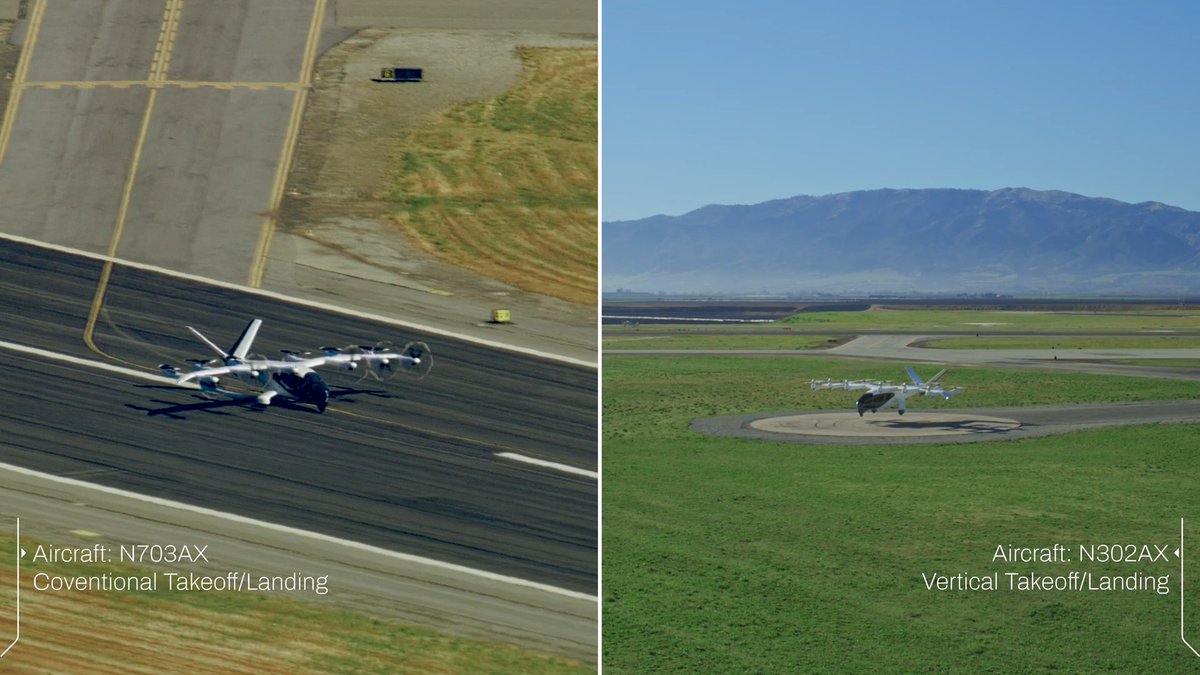
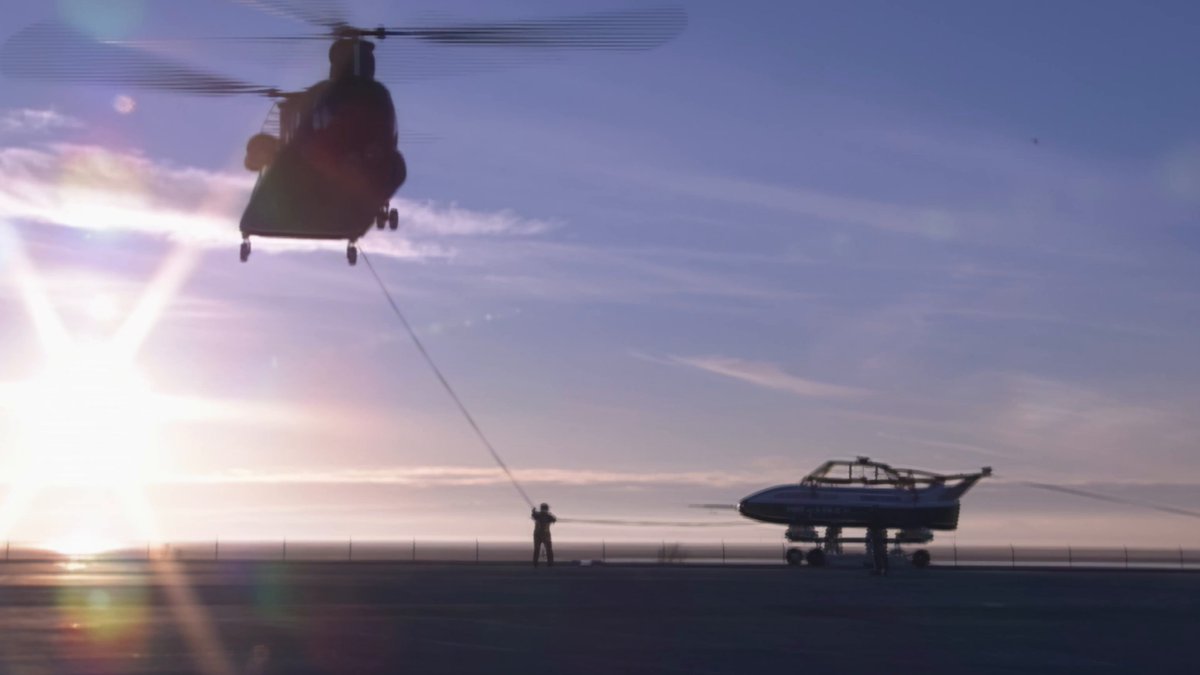
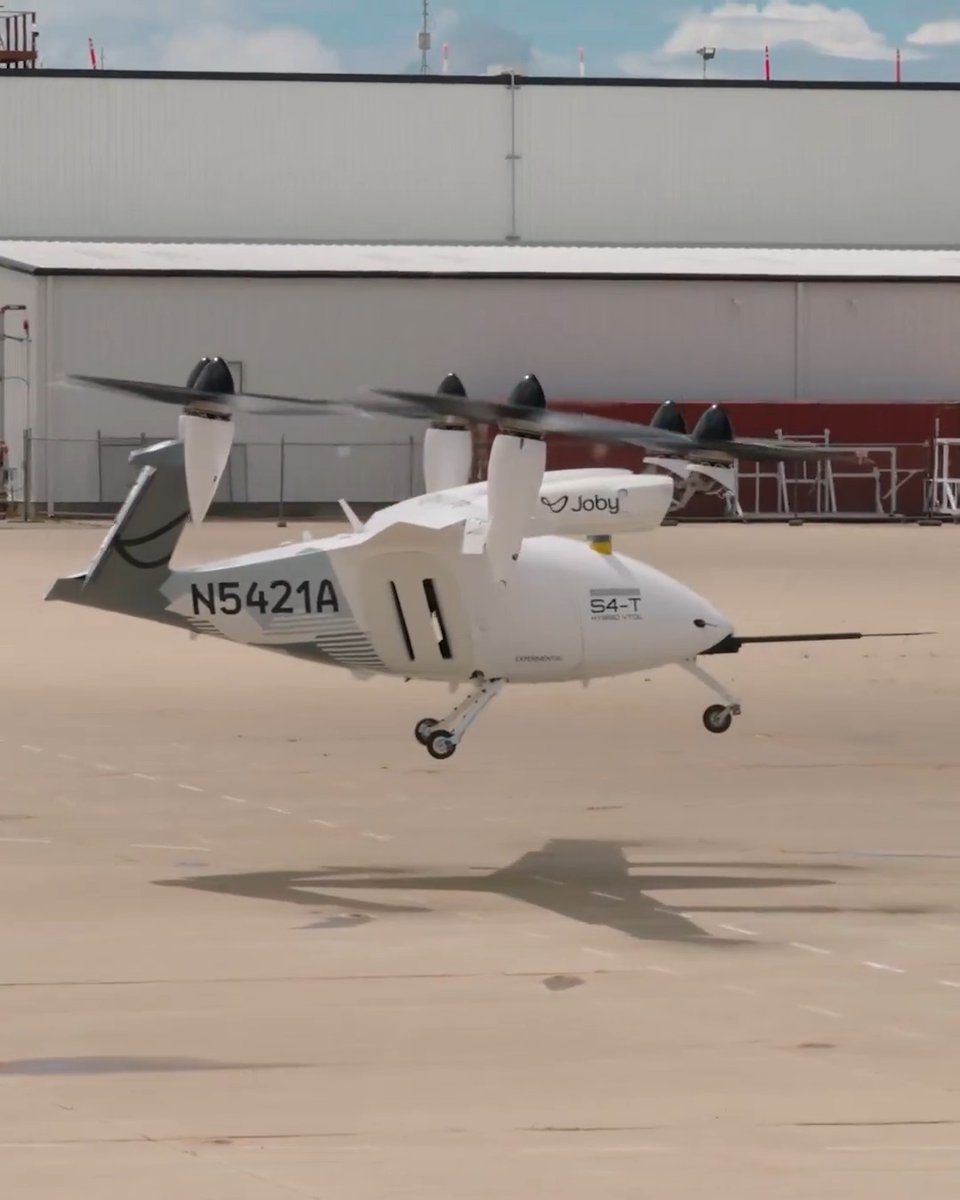
TRANSITION FLIGHT | Midnight has completed transition flight at a speed of 100+ MPH – taking off vertically, accelerating until it transitions from thrust-borne to wing-borne flight, cruising on the wing and then landing again vertically. Here are the key highlights from this milestone: ✈️ At ~6,500 lbs, Midnight...

93,199 Aufrufe • vor 2 Jahren •via X (Twitter)

10 Kommentare

Profilbild von Archer
Archervor 2 Jahren

Midnight's completed transition flight ✅ Check out the full, uncut video of the flight here:

Profilbild von Marcus4Real
Marcus4Realvor 2 Jahren

You keep doing what your doing and the skies the limit. Production, certifications, investments, contracts, evtol- (air)"ports" in smaller cities. This is the future, for me anyway.

Profilbild von Kepler Digitals
Kepler Digitalsvor 2 Jahren

Impressive milestone, @ArcherAviation! Completing transition flight with Midnight at 100+ MPH sets a new standard in eVTOL tech. Looking forward to seeing its commercial potential unfold. Congrats on this achievement! 🚁 #AviationInnovation

Profilbild von Tony Blighe
Tony Blighevor 2 Jahren

Beautiful! I noticed the rear props were still running at 100mph. What was the reason for that? Did this flight have a crew on board?

Profilbild von 49G
49Gvor 2 Jahren

This is really good! You guys and gals are doing exceptional work. Keep it up. ㊗️💯

Profilbild von Datini 🖼
Datini 🖼vor 2 Jahren

Go retweet my post!

Profilbild von BV_agung
BV_agungvor 2 Jahren

💕 !! 😎

Profilbild von DotEnergy
DotEnergyvor 2 Jahren

Absolute perfection! Incredible technology.

Profilbild von Chris Allen
Chris Allenvor 2 Jahren

Can't wait for next year!!!!

Profilbild von Brian
Brianvor 2 Jahren

This is incredible!
Ähnliche Videos

🚨🇨🇳 PENTAGON IN PANIC: CHINA FLIES HEAVY DRONE WITH 1,900-KM RANGE AND VERTICAL TAKEOFF China’s 1.5-tonne Qizhi-5 heavy tiltrotor UAV completed an autonomous flight test at the Chuzhou test base on August 1, performing vertical takeoff, hover, transition into forward flight, manoeuvring and landing without requiring a runway. 🔸 The aircraft is designed to combine helicopter-style access with fixed-wing performance. Its stated specifications include a top speed of 450 km/h, a 300 kg payload and a maximum range of 1,900 km. 🔸 Power comes from the domestically developed CS35 modular turboshaft engine, rated at 350 kW. Its modular architecture is intended to simplify maintenance and allow the engine to support multiple aircraft types. 🔸 The most important part of the test was the autonomous transition between vertical and forward flight. During this phase, lift shifts from the rotors to the wings while the aircraft’s aerodynamics, controls and power demands change rapidly. 🔸 Completing the full sequence demonstrated that the airframe, propulsion system and flight-control software can operate together through the aircraft’s most technically demanding flight mode. 🔸 The developers say the programme has mastered six major areas: overall configuration, transmission, rotor design, flight control, structural engineering and aeroacoustic noise reduction. 🔸 Qizhi-5 is being promoted for cargo transport, surveillance, emergency response and other low-altitude operations. The same runway-independent design also offers clear value for military logistics, reconnaissance and operations from dispersed sites. The Qizhi-5 can lift vertically from a confined area and then travel at aircraft speeds across distances normally associated with fixed-wing drones. That combination gives China access to locations where conventional UAVs still need a runway. Which Qizhi-5 advantage matters most: vertical takeoff, 300 kg payload, 450 km/h speed or 1,900 km range?

NewRulesGeopolitics

16,903 Aufrufe • vor 1 Monat